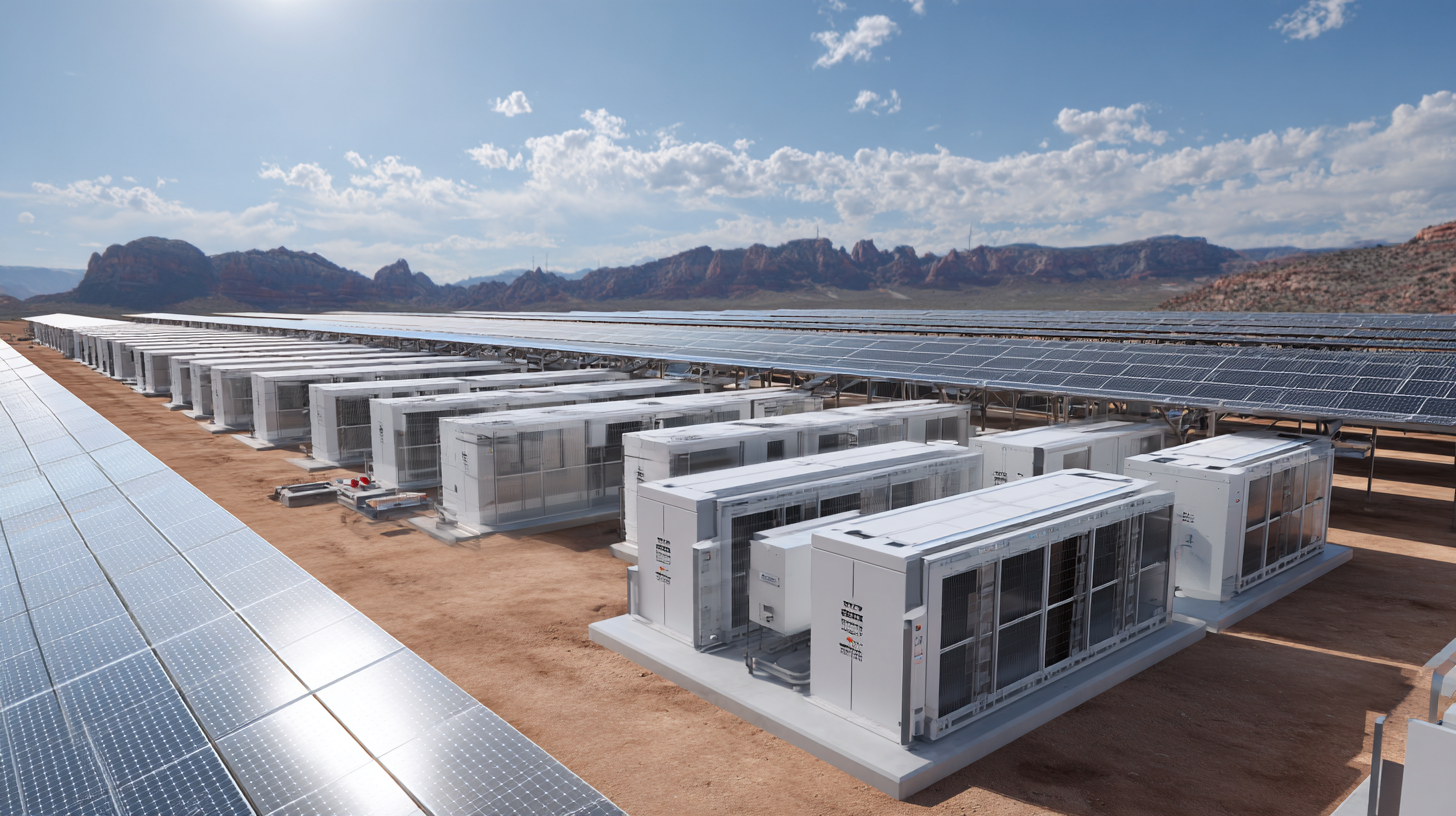
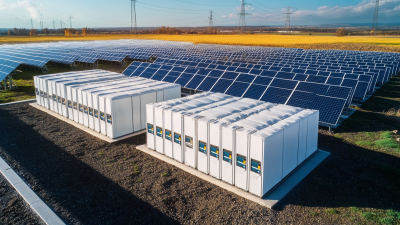
As the world is really moving more and more towards sustainable energy, the importance of Solar Array Battery Storage is becoming pretty obvious. I mean, a recent report from the International Energy Agency (IEA) says that solar energy capacity is expected to triple by 2023 — crazy, right? That kind of growth means we really need solid storage solutions to keep up with energy production and use.
LONG WAY Battery, which is part of Kaiying Power & Electric Co., Ltd., has been a big name in lead-acid batteries since 2000. They offer a wide range of batteries — from 2V all the way up to 24V, with capacities anywhere from 0.8AH to a whopping 3000AH. Basically, they’re pretty much ready to help out with all kinds of industrial and commercial needs, making energy use more efficient and reliable.
Combining good, proven battery tech with solar storage is a smart move — it’ll not only help us use solar power better but also push us closer to a cleaner, greener future.
The Growing Demand for Solar Array Battery Storage Solutions in Renewable Energy
Lately, there's been a pretty noticeable jump in demand for solar battery storage solutions — and it’s really shaking up the global energy scene. Back in 2023, the market for fixed energy storage was worth around $75.66 billion. Experts are actually predicting it’ll hit about $90.36 billion next year and then, get this, skyrocket to over $231 billion by 2032. That’s a compound annual growth rate of roughly 12.45%. It really shows just how much we need solid storage options to make the most of renewable energy sources like solar and wind.
If you're looking to get the most out of Solar Batteries, a few tips might help. For one, keep an eye on your energy use — it can help you figure out the best way to store power. Also, choosing batteries with theright capacity for your needs makes a big difference. Plus, adding a battery system helps balance things out. During those sunny days when a lot of energy is generated, excess power gets stored, and when demand hits high points, you can draw from your batteries instead of just relying on the grid. This way, we’re less likely to face energy shortages.
As we push toward a greener, more sustainable future, improving battery tech is going to be a game-changer. Getting governments, industries, and international groups to work together is key — we need new standards and practices to encourage more widespread use of renewable energy. Investing in research and development can open doors to innovative storage solutions that boost energy independence and make our grids more reliable overall.
Key Technologies Driving Solar Array Battery Storage Innovation
Lately, there's been a real buzz around solar battery storage solutions, and honestly, it's shifting how we think about renewable energy. These days, thanks to cool tech like advanced lithium-ion batteries, smart energy management systems, and smarter grid tech, we're able to get way more out of solar power. What’s awesome is that these innovations don’t just mean we can store more energy—they also help us use that energy more efficiently. So, during those bright, sunny days, excess power gets stored, and even when the sun’s taking a break, you’ve got a reliable energy backup ready to go.
If you're thinking about adding solar batteries to your home, here are a couple of tips. First off, take a good look at how much energy your household uses throughout the day. Picking a system that matches your peak needs can save you quite a bit in the long run. Also, it’s super helpful to go for a setup with built-in software that lets you monitor and tweak your energy use in real-time—that way, you get the most out of your solar system.
And don’t forget about the lifespan and upkeep of your batteries. Going for high-quality, durable batteries will definitely pay off in the long run. Plus, a little regular check-up and maintenance can keep everything running smoothly, helping you stay more energy-independent and eco-friendly overall.
Market Trends and Projections for Solar Battery Storage Solutions by 2030
As the world keeps moving more and more toward renewable energy, it looks like solar battery storage is really going to be a game-changer by 2030. I’ve seen reports, like the one from Bloomberg New Energy Finance, that estimate the global market for energy storage could hit a whopping $620 billion in the next few years. That’s mostly thanks to breakthroughs in lithium-ion batteries and prices dropping—that’s good news because it means solar energy storage is becoming way more affordable and efficient. Now, both homeowners and businesses are starting to see how useful these systems can be.
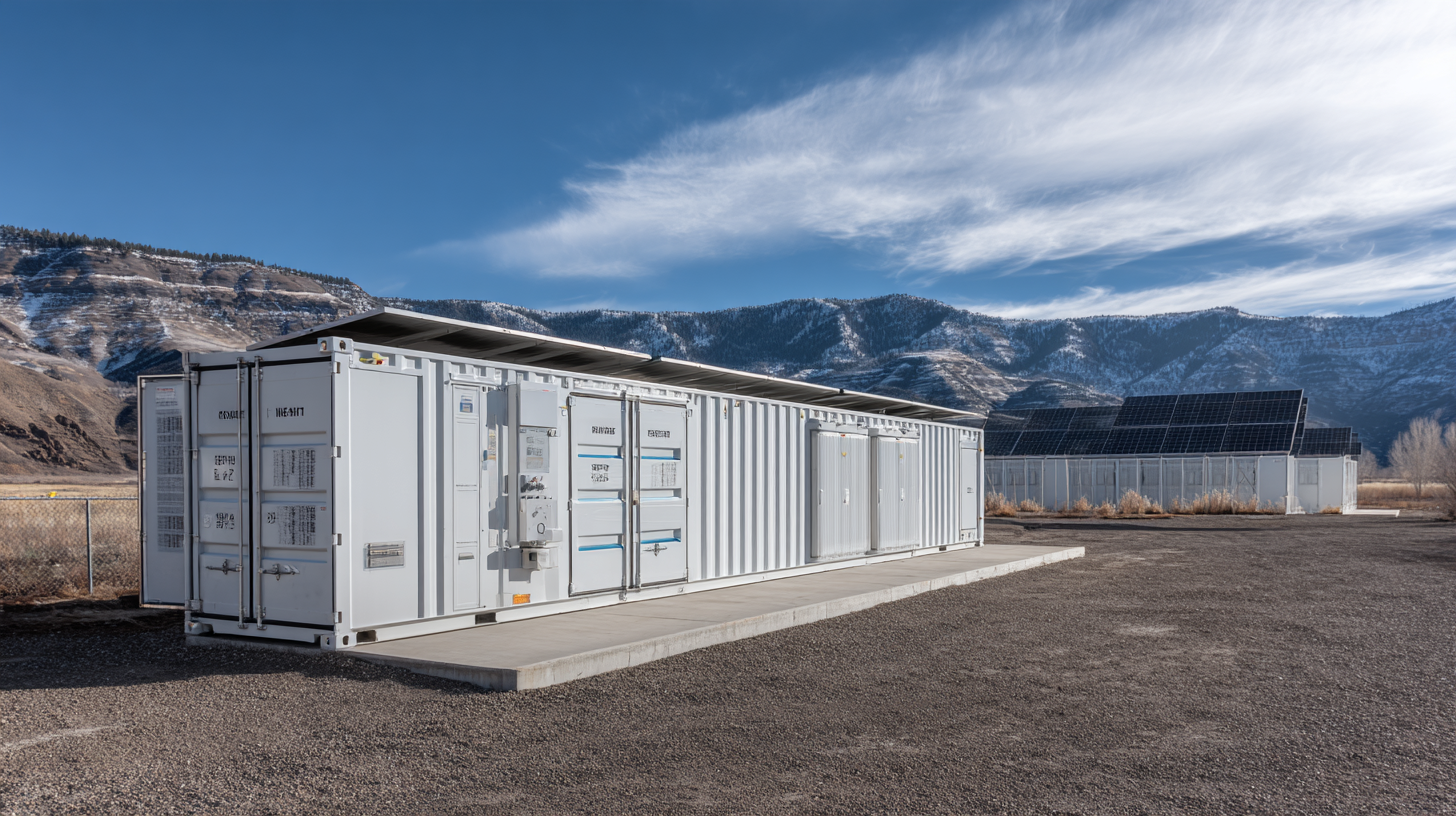
On top of that, the International Energy Agency (IEA) is saying that by 2030, the total capacity of battery storage could surpass 1,000 gigawatt-hours (GWh). A big chunk of this growth is likely to come from solar storage solutions. This trend is mostly driven by government incentives and a growing global push to cut carbon emissions, which means more folks and companies are jumping on the solar-plus-storage bandwagon. It’s pretty exciting to see how integrated solar and storage systems are becoming more popular, especially because they help make the grid more resilient and give users some energy independence. Honestly, it feels like solar battery storage is really shaping the future of energy, and I think we’re only just getting started with what it can do.
Environmental Impact: Solar Battery Storage's Role in Reducing Carbon Emissions
As the world is moving more and more toward cleaner energy sources, solar battery storage is really starting to play a key role in cutting down carbon emissions. I read a report from the International Energy Agency (IEA) that says by 2040, using energy storage systems could eliminate up to 4.3 billion tons of CO2 worldwide each year—that’s a huge difference! This shift is super important because, right now, traditional fossil fuels still make up around 75% of the global greenhouse gases. When we store excess solar energy during those bright, sunny days, batteries can help provide power when there’s not enough sunlight, which means we won’t have to rely as much on fossil fuels. Pretty cool, right?
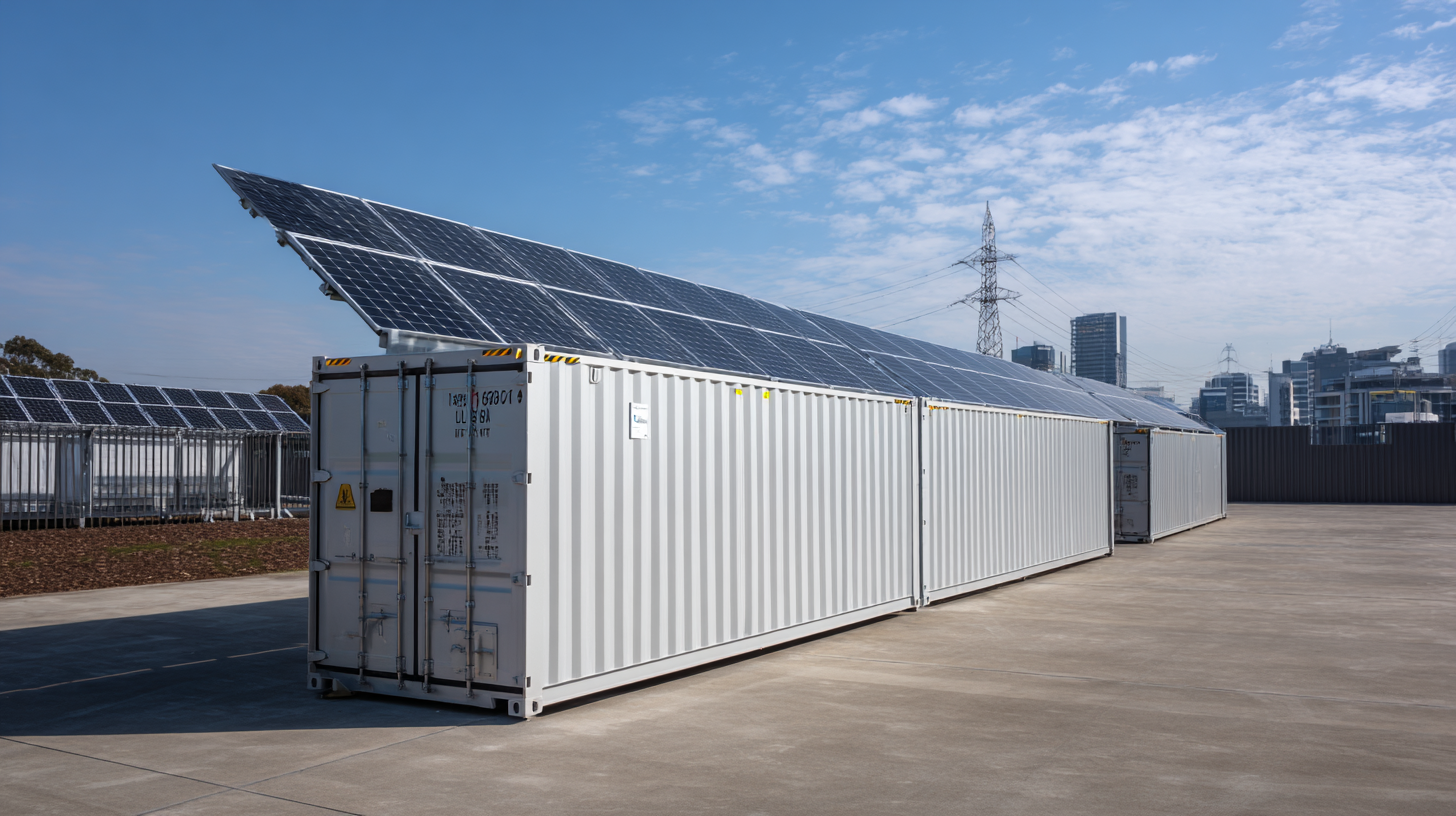
And it gets more exciting—BloombergNEF forecasts that by 2040, the global market for battery storage could reach about 1,295 gigawatt-hours (GWh), skyrocketing from just 7 GWh in 2020. That’s a huge jump, and it really shows how we're moving toward a more sustainable future. Solar power combined with better battery tech will not only make our energy grids stronger and more reliable but also help push electric vehicles into the mainstream. When businesses and folks like us use solar batteries, it’s not just about saving on energy bills; we’re also doing our part to fight climate change and look after the planet. It’s like, every little bit helps, right?
Challenges and Opportunities in the Solar Array Battery Storage Sector
The solar energy storage world is definitely an ever-changing landscape—full of both hurdles and exciting opportunities. As more folks jump on the solar bandwagon, driven by a push towards sustainability and the chance to cut down operational costs, having reliable battery storage solutions has become more crucial than ever. I recently came across a report that estimates the global market for energy storage systems could hit around $20 billion by 2025, mostly because of the growing use of solar technology. That really shows just how important batteries are in solving the kind of unpredictability solar power can sometimes bring.
That said, it’s not all smooth sailing. For example, the recent rollback of incentives under the so-called One Big Beautiful Bill Act (OBBBA) has definitely shaken things up—some investors and companies are now rethinking their strategies or holding back. Plus, while solar panel tech keeps getting better, there are still issues like efficiency limits and high manufacturing costs that slow things down. A recent review I read pointed out that even though solar PV tech is improving, things like supply chain issues can really throw a wrench in the works. To keep moving forward, industry players need to find smart ways to make the most of new tech and work together more closely. It’s also worth noting that states like Ohio are passing new laws that could change how the energy market looks, opening up fresh opportunities for solar developers in the process. All in all, it’s a mix of challenges and possibilities—kind of an exciting time to be in this space.
Solar Array Battery Storage Solutions: Capacity vs. Cost Analysis
This chart illustrates the relationship between battery capacity and its cost for solar array battery storage solutions, highlighting the challenges and opportunities in the sector. The data shows a capacity of 500 kWh with a cost of $200 per kWh, emphasizing the importance of investing in efficient battery storage for future energy needs.
The Future of Energy: Integrating Solar Storage with Smart Grid Technologies
You know, the way solar energy storage is now merging with smart grid tech feels like a pretty big leap forward in how we generate and manage energy. If you look at the numbers, the global smart grid market is expected to soar from around $49 billion in 2024 to over $200 billion by 2032, growing at about 19.5% each year. That just shows how crucial it is to tap into new, innovative solutions right now. Experts keep emphasizing how digital and smart tech play a key role in balancing our goals—making energy cleaner, safer, and affordable. All this is pushing the world’s energy systems to change rapidly, and it’s pretty exciting to see.
Of course, with all this rapid development, we really need better ways to manage the grid and keep tabs on carbon emissions. Combining IT, OT, and energy tech is vital if we want a robust, resilient energy setup. For example, look at how data centers—those giant hubs behind most AI advancements—are actually becoming big energy consumers. This means we need smarter energy management strategies, especially with many industries and countries trying to stick to climate deals that aim to keep global warming under 1.5°C. So, in the end, successfully integrating solar storage with smart grid systems isn’t just a nice idea; it’s gonna be key if we want a sustainable and reliable energy future.
Unlocking the Future of Energy with Solar Array Battery Storage Solutions
| Technology | Storage Capacity (kWh) | Efficiency (%) | Lifetime (Years) | Cost ($/kWh) |
| Lithium-Ion | 10 | 90 | 10 | 300 |
| Lead Acid | 12 | 80 | 5 | 150 |
| Flow Battery | 20 | 75 | 15 | 400 |
| Nickel-Metal Hydride | 15 | 85 | 7 | 250 |
| Sodium-Sulfur | 30 | 90 | 15 | 200 |
FAQS
: The fixed energy storage market was valued at $75.66 billion in 2023.
It is projected to reach $90.36 billion by 2024 and soar to $231.06 billion by 2032.
Tips include monitoring energy consumption patterns, selecting suitable solar batteries based on individual needs, and integrating battery storage systems to stabilize the grid.
Key technologies include advanced lithium-ion batteries, integrated energy management systems, and smart grid technology.
Homeowners should evaluate their energy consumption patterns, look for integrated management software for real-time monitoring, and choose high-quality batteries with long lifespans.
The global market for energy storage systems is projected to reach approximately $20 billion by 2025.
Challenges include the rollback of incentives under the One Big Beautiful Bill Act, high manufacturing costs, and supply chain bottlenecks affecting photovoltaic technology efficiency.
Collaboration among governments, industries, and international bodies can promote the development of new standards and practices that support renewable energy adoption, while investing in R&D can lead to innovative storage technologies that enhance energy independence.
Battery storage is essential for addressing the intermittency issues associated with solar energy generation by capturing excess energy during peak production and supplying it during high demand.
New opportunities for solar developers are emerging as states like Ohio introduce laws that may reshape energy market dynamics.
Conclusion
Hey, have you checked out the article titled "Unlocking the Future of Energy with Solar Array Battery Storage Solutions"? It honestly does a good job of highlighting how the demand for Solar Array Battery Storage is really picking up and becoming absolutely crucial in renewable energy setups. The piece dives into the cool tech that's pushing this sector forward, along with market trends and what things might look like all the way up to 2030. I found it pretty exciting how combining solar storage with smart grid tech could make energy more efficient and reliable—plus, it’s a big step toward cutting down carbon emissions.
On top of that, the article doesn’t shy away from the hurdles and opportunities in the industry. It stresses just how vital these solutions are for steering the world's shift to cleaner energy. By the way, as a major player in this field, LONG WAY Battery (Kaiying Power & Electric Co., Ltd.) is definitely in a good spot to contribute. They offer a range of dependable lead-acid batteries that are designed to support all kinds of renewable energy projects—pretty impressive, huh?