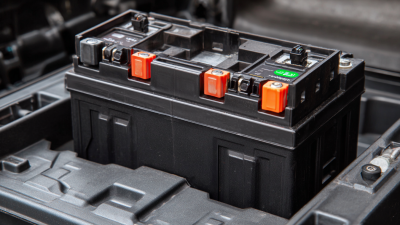
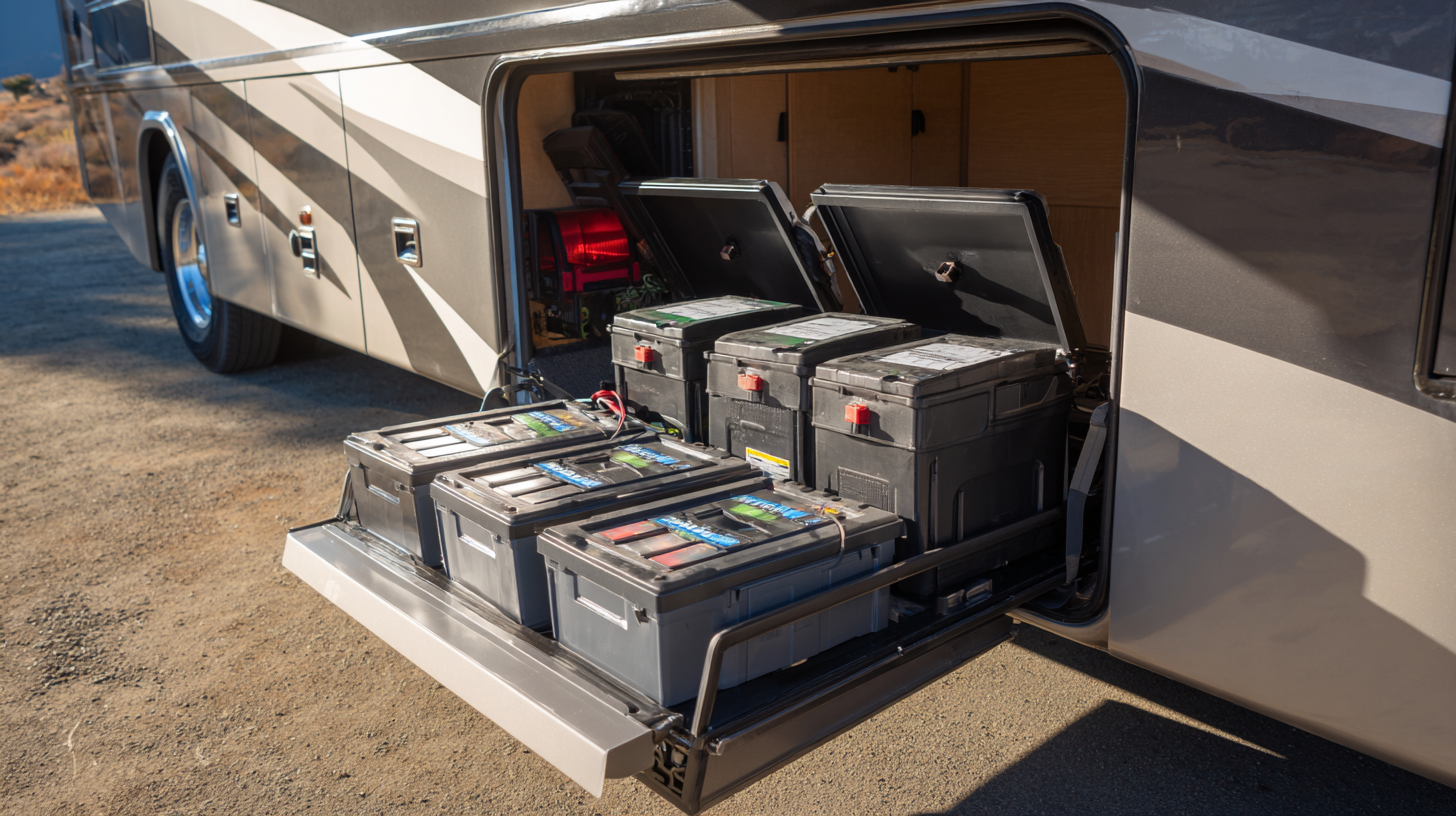
Picking the right Agm Rv Battery is super important if you want your road trip to go smoothly and be enjoyable. As more folks jump into recreational vehicles, the need for dependable power sources has really taken off. That’s where AGM RV batteries come in—they’ve become a favorite among enthusiasts because of their better performance and how low-maintenance they are. Industry folks say that these batteries last longer and charge up faster than your usual flooded batteries, making them perfect for the unique needs of RVs. Oh, and by the way, LONG WAY Battery (Kaiying Power & Electric Co., Ltd.), which started back in 2000, is a pretty big name in the battery world. They offer a huge range of lead-acid batteries—from 2V all the way up to 24V, with capacities reaching up to 3000AH—great for both industrial stuff and your camping adventures. With a solid focus on quality and innovation, LONG WAY Battery is all about providing the best AGM RV batteries to keep your next adventure powered up and ready to go.
Understanding AGM RV Batteries: Key Features and Benefits
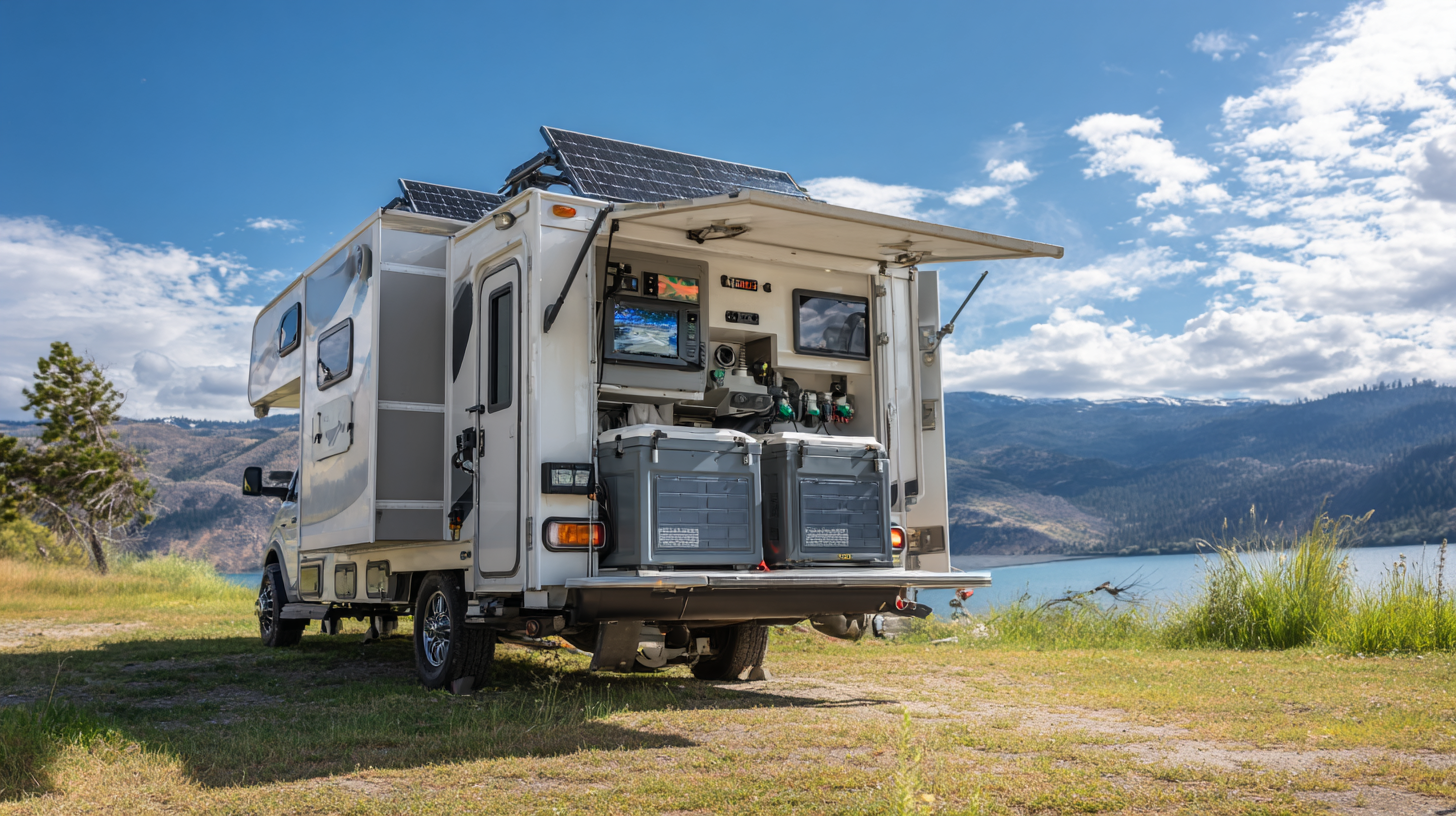
Hey, if you're into RV adventures, you've probably heard about Absorbent Glass Mat (AGM) batteries—they've been getting a lot of buzz lately. These batteries are pretty cool because they’re sealed and totally maintenance-free, thanks to a fiberglass mat that soaks up the electrolyte. That’s a big plus since it means no spills and you can place them pretty much anywhere in your RV—no worries about orientation. I came across this report from Allied Market Research that says the global market for lead-acid batteries, including AGM ones, is expected to hit around $92 billion by 2026. That just shows how much folks are craving reliable power solutions for their travel rigs.
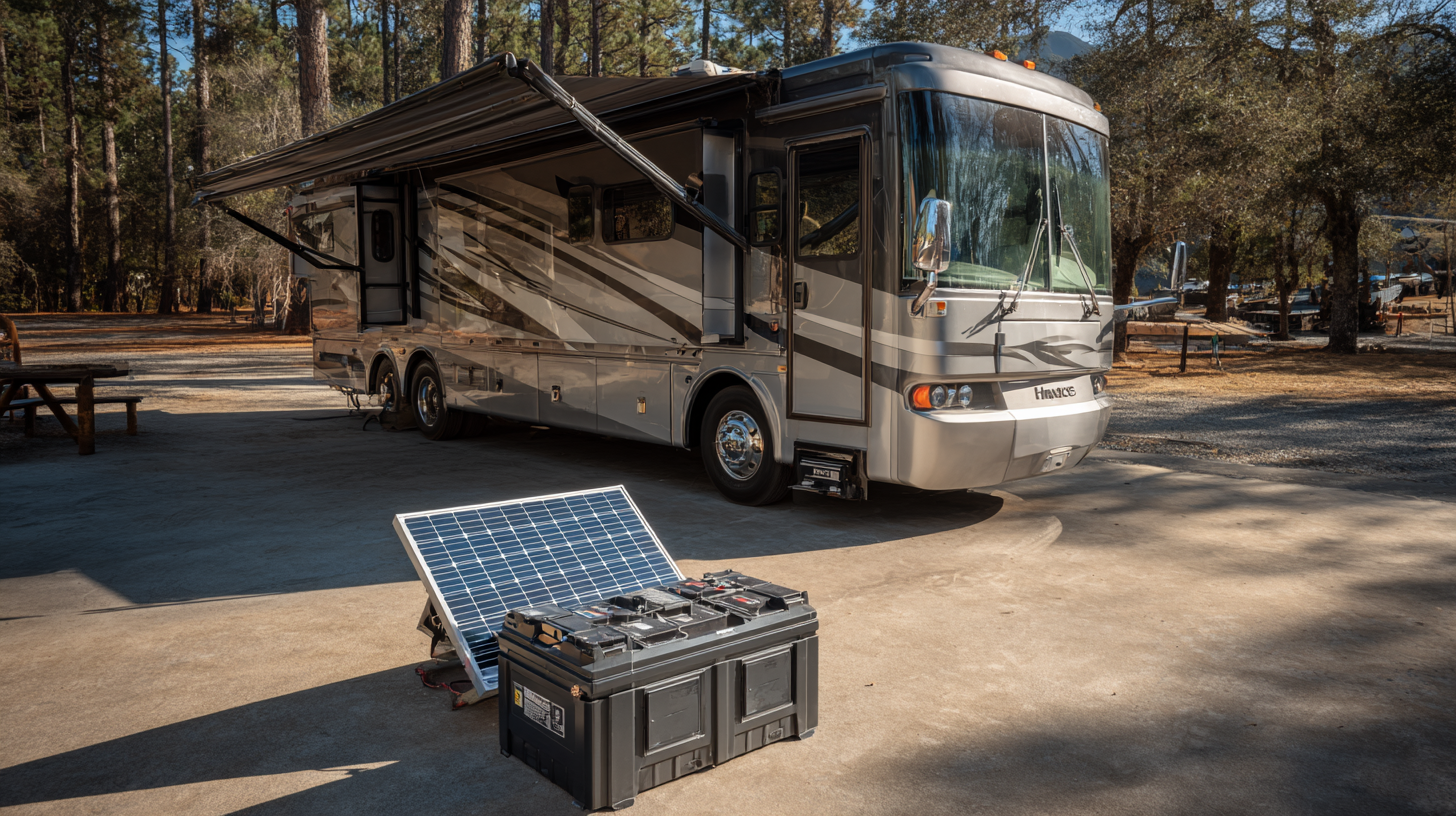
One of the best things about AGM RV batteries is how efficiently they charge and how long they last. They generally go through way more cycles—like between 800 and 1,200—compared to your old-school flooded batteries, which usually top out around 200 to 500 cycles. That means you won’t need to replace them as often, saving you some cash in the long run. Plus, they perform pretty well in hot and cold weather, so they’re versatile no matter where you’re headed. And get this—AGMs can reach up to 99% charging efficiency, so you’ll be back on the road or campsite faster, which is definitely a huge plus for those living the RV lifestyle on the go.
Evaluating Battery Capacity: Amp-Hours and Performance Requirements
When you're picking out the best AGM RV battery for your next trip, it’s really important to get a good handle on battery capacity. Basically, amperes-hours (Ah) tell you how much juice a battery can hold and give out. It’s like a rough idea of how long a battery can keep powering your stuff; for example, a 100 Ah battery can run 5 amps for about 20 hours, or boost 20 amps for 5 hours before needing a recharge. Figuring out what you need based on this will help make sure you’ve got enough power for all your gadgets and appliances while you're out there adventuring.
**A little tip:** Before you buy, think about what kind of appliances you plan to run — especially those that pull a lot of power, like a fridge or A/C. For those, going for a battery with a higher Ah rating is usually a smart move.
And don’t forget about the weather! Cold temperatures can really drag down battery performance, so if you’re heading somewhere chilly, you might want to choose a battery with a bigger capacity to keep things running smoothly. It’s always a good idea to pick a battery that covers your current needs and leaves some room for the future — you never know when you might add a new gadget or two!
Comparing Lifespan and Durability: AGM vs. Other Battery Technologies
Alright, so when you're trying to pick out the best AGM (that's Absorbent Glass Mat) RV battery for your adventures, it’s pretty important to get a handle on how long it’s gonna last and how tough it is compared to other battery types. Agm Batteries are pretty awesome—they’re known for being sturdy and lasting a long time. Usually, you’re looking at about 4 to 7 years of good performance with them. That’s actually better than your average lead-acid batteries, which usually last between 3 and 5 years. The reason they hang in there longer? They can handle deep discharges and quick charging without breaking a sweat — perfect for the rough and tumble world of RV travel.
Now, if you’re thinking about other options like flooded lead-acid or lithium-ion, they each have their good and bad points. Flooded batteries are often cheaper, but they need regular maintenance, and if you don’t look after them properly, their cycle life can take a hit. Lithium-ion batteries are pretty high-tech— offering faster charging and packing more punch in a smaller size—but they tend to cost a lot more upfront. Both have their perks, but AGM batteries kind of hit that sweet spot with their durability, low maintenance, and safety features. So, if you’re after a reliable power source that won’t give you headaches, AGM batteries are definitely worth considering for your RV adventures.
Cost Analysis: Budgeting for Your AGM RV Battery Investment
Planning your next RV trip? One thing you definitely want to think about is the cost of AGM batteries—those Absorbent Glass Mat ones. They're quite popular, mainly because they're super durable and last a long time, but they do tend to be pricier upfront compared to good old lead-acid batteries. The trick is looking beyond just the sticker price: those batteries might cost more initially, but they could save you some cash in the long run thanks to less maintenance and fewer replacements down the line.
And here's the thing—it's not just about the batteries themselves. When you're figuring out your budget, remember to factor in installation costs, possible upgrades to your RV's electrical system, and any extra accessories you might need to make everything work smoothly. Do some homework and shop around a bit; different places can have different prices, and a good warranty is worth paying attention to because it gives you some peace of mind if things go wrong.
If you take the time to carefully compare these costs, you'll have a much clearer idea of how much you're comfortable spending on an Agm Battery—something that can reallypower your adventures without breaking the bank.
Top Brands and Models: Expert Recommendations for Different Needs
When you're on the hunt for the best AGM RV battery to make sure your adventures run smoothly, honestly, sticking with the top brands and models is pretty important. These days, brands like Battle Born, Lifeline, and VMAXTANKS are pretty much the go-to for many RV folks because of their reliability and how long they last. For instance, Battle Born batteries are loved because they’re lightweight but still pack a punch — perfect if you're planning on off-grid camping for a while. Meanwhile, Lifeline's batteries are known for being super dependable, offering high capacity and endurance — exactly what you need if you're counting on consistent power to keep everything running smoothly in your RV.
When you’re choosing a specific model, think about what kind of power you actually need. If you want something tough and reliable, the VMAXTANKS V35-857 tends to be a popular pick since it's built to handle heavy loads, so whether it’s your fridge, lights, or other gadgets, it won’t let you down. On the flip side, if space and weight are big concerns — maybe you’re trying to keep everything lightweight — then the Battle Born BB10012 100Ah Lithium Battery might be just what you're looking for. It's quite compact and charges fast, which is a huge plus. Honestly, all these options have their perks, so it really depends on your travel style and power needs. That way, you can just kick back and enjoy your trips without stressing over whether your batteries will keep up, you know?
The Ultimate Guide to Choosing the Best AGM RV Battery
Maintaining Your AGM Battery: Tips for Longevity and Optimal Performance
If you're investing in an AGM RV battery, keeping up with regular maintenance is a must if you want it to last and perform at its best. I read somewhere that proper upkeep can actually boost the battery’s lifespan by up to 20%—pretty impressive, right? So, it’s a good idea to check its charge level regularly and aim to keep it between about 12.4V and 12.7V. Doing this not only keeps it running smoothly but also helps prevent sulfation, which can really mess with performance down the line.
Oh, and don’t forget about temperature! Storing your AGM battery in a cooler spot—around 50°F to 77°F—is recommended by the experts at the International Lead Acid Battery Manufacturing Association. Keeping it within that range can help prevent capacity loss over time. Also, giving the terminals and connections a quick clean now and then can go a long way in stopping corrosion, which might cause your battery to act up or even fail sooner than expected.
Stick to these simple tips, and you'll be well on your way to keeping your RV battery in top shape for all your adventures ahead!
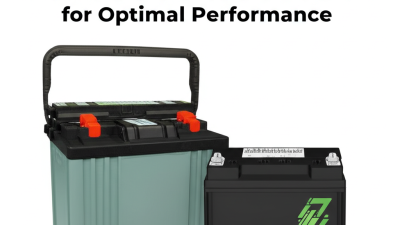
The Ultimate Guide to Choosing the Best AGM RV Battery for Your Next Adventure - Maintaining Your AGM Battery: Tips for Longevity and Optimal Performance
| Battery Model | Capacity (Ah) | Weight (lbs) | Voltage (V) | Price ($) | Warranty (Years) |
| AGM Battery A | 100 | 65 | 12 | 200 | 3 |
| AGM Battery B | 120 | 70 | 12 | 250 | 4 |
| AGM Battery C | 80 | 55 | 12 | 180 | 2 |
| AGM Battery D | 150 | 75 | 12 | 300 | 5 |
FAQS
GM batteries, and why are they recommended for RV use?
AGM batteries usually have a higher upfront cost compared to traditional lead-acid batteries, but they can lead to long-term savings through reduced maintenance and replacement expenses.
In addition to the initial purchase price, consider installation fees, potential upgrades to your RV's electrical system, and any necessary accessories that may be needed for proper battery usage.
Proper maintenance is crucial; regularly check the battery’s charge level, store it in cooler temperatures (ideally between 50°F and 77°F), and periodically clean terminals and connections to prevent corrosion.
The ideal charge level for an AGM battery is between 12.4V to 12.7V, which helps maintain efficiency and prevent sulfation issues.
Temperature control is important because extreme temperatures can lead to capacity loss and affect overall battery health. Storing AGM batteries in cooler conditions enhances their performance and lifespan.
Research different retailers to compare prices, pay attention to warranty terms, and choose options with a robust warranty to ensure you are protected against potential defects.
Maintenance practices include regularly checking charge levels, cleaning terminals, storing batteries in recommended temperature ranges, and ensuring connections are secure to avoid performance issues.
Poor maintenance can lead to a decrease in performance and lifespan, with reports indicating that proper upkeep can extend the lifespan of AGM batteries by up to 20%.
Yes, specific accessories may be required for optimal usage, including appropriate charging systems and monitoring devices to ensure the battery is maintained properly.
Conclusion
Picking the right AGM RV battery is pretty important if you want your outdoor adventures to go smoothly. Knowing the key features and perks of AGM technology—like its better performance and how it’s basically maintenance-free—gives you a solid starting point for figuring out what kind of battery capacity and performance you really need. When you compare how long these batteries last and how tough they are, AGM batteries often beat traditional lead-acid ones, so although they might cost a bit more upfront, they’re worth considering.
And hey, don’t forget that taking good care of your AGM RV battery is super important if you want it to last and work at its best. If you’re looking at brands and models, companies like LONG WAY Battery, which has been around since 2000, offer some really reliable options. They’ve got a wide range—from tiny 0.8AH batteries to massive 3000AH ones—so no matter what kind of trip you’re planning, there’s probably an AGM battery that fits your needs.