You know, incorporating Battery Storage into solar power plants has really become a big deal in the renewable energy world lately. With energy needs skyrocketing and the push for more sustainable options, it's no wonder people are paying more attention. Just a heads-up from a recent BloombergNEF report—by 2040, the global capacity for battery storage is projected to hit over 1,000 GWh, mainly thanks to leaps in solar tech.
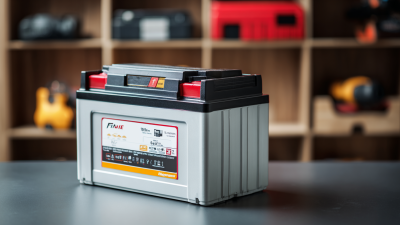
Here at LONG WAY Battery (Kaiying Power & Electric Co., Ltd.), we've been around since 2000, and we truly understand how crucial it is to make batteries as efficient as possible for solar projects. We offer a pretty wide range of lead-acid batteries—from 2V all the way up to 24V, with capacities from 0.8AH up to 3000AH—so we’re pretty well-equipped to meet the demand for dependable energy storage solutions.
By focusing on creative ways to boost battery performance, we hope to play our part in making energy systems around the world more sustainable and effective.
Innovative Battery Storage Solutions: Enhancing Solar Power Plant Efficiency
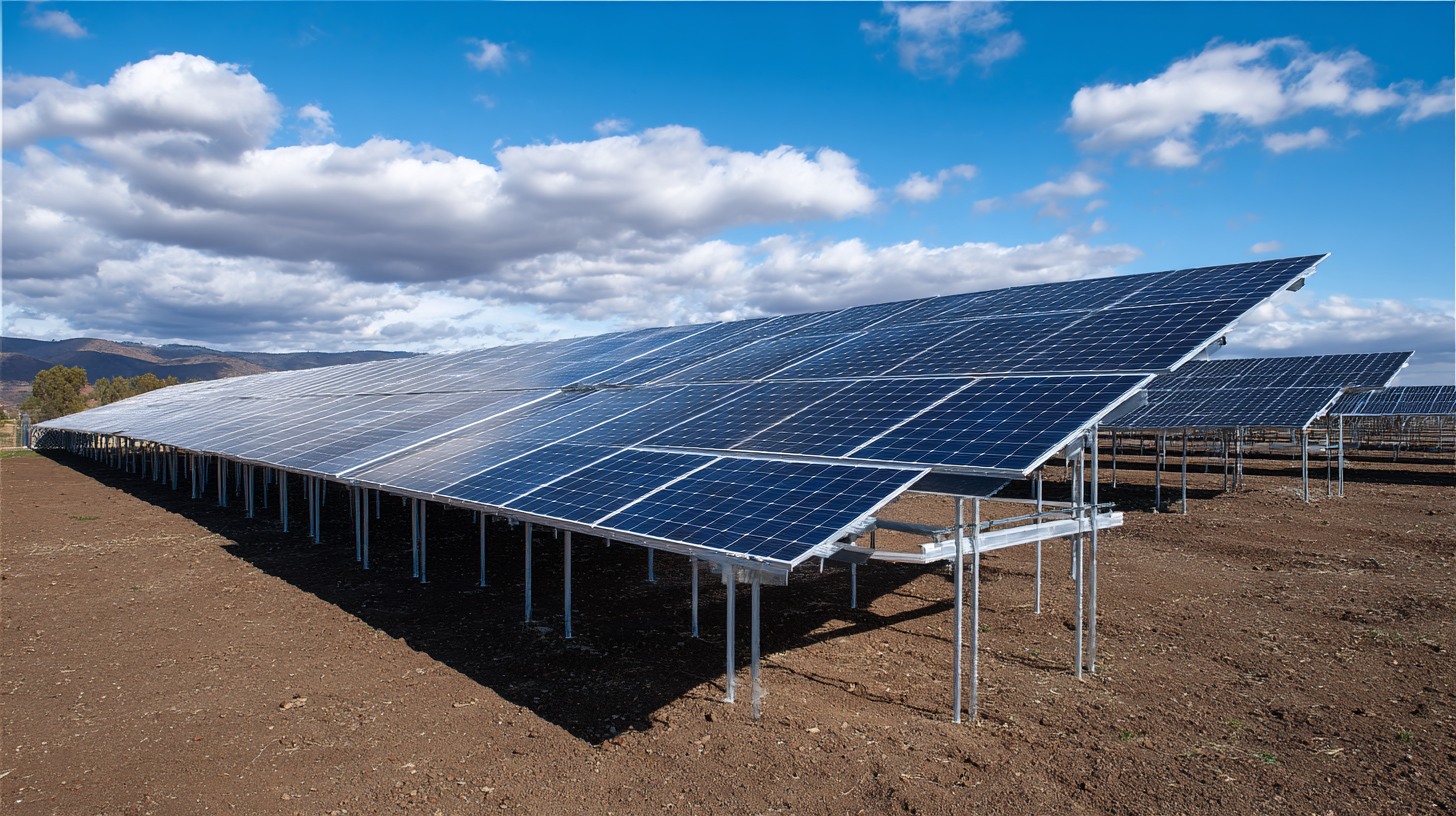
Innovative battery storage solutions are such a game-changer when it comes to making solar power plants more efficient. They help make sure the energy we generate from the sun isn’t just wasted but stored properly and used smartly. With tech advancing so fast—think lithium-ion and flow batteries—we can capture sunlight during the brightest hours and then tap into that stored energy when demand is high or the sun isn’t shining. It’s pretty amazing because it really boosts how reliable and flexible solar energy can be. You know, one of the tricky parts about renewables has always been that intermittency issue, but this kind of tech seriously helps address that.
Lately, we’ve also seen these cool Smart Battery management systems popping up. They keep an eye on energy use patterns and adjust storage to match. That way, batteries last longer, and the whole system runs more smoothly. Plus, with AI now in the mix, solar plants can predict when energy demand might change and plan accordingly—kind of like having a crystal ball for energy management. So, not only are we getting way better at using solar power, but these storage solutions are also helping build a more sustainable and reliable energy grid for the future.
Understanding Battery Technologies: Comparing Lithium-ion, Flow, and Solid-State Options
When you're trying to make solar power plant batteries work more efficiently, it's super important to get a good handle on the different battery tech options out there. Lithium-ion batteries are basically ruling the market right now—they pack a punch with high energy density and efficiency, which is why they're so popular in solar setups. In 2023 alone, global shipments of lithium-ion batteries were expected to hit around 1,300 GWh, growing at an impressive 28% each year since 2020. But, fair warning—these batteries aren’t perfect. They have some thermal management problems and usually last about 10 years, so long-term sustainability can be a bit of a concern.
On the flip side, flow batteries look pretty promising, especially for big, large-scale energy storage projects. What’s cool about them is they can separate power generation from energy storage, meaning they can run longer discharges and last WAY longer—reports say over 20 years. Plus, they could even cost up to 30% less per cycle compared to lithium-ion batteries. Then there’s the emerging option of solid-state batteries—these are exciting because they offer higher energy density and, thanks to their non-flammable design, better safety. Experts expect the solid-state battery market to skyrocket to around $3.4 billion by 2025, thanks to tech advances that could really boost how efficiently solar energy is stored. All these options have their own perks and could play big roles in making solar energy even more effective and reliable.
Optimizing Charge and Discharge Cycles to Maximize Storage Performance
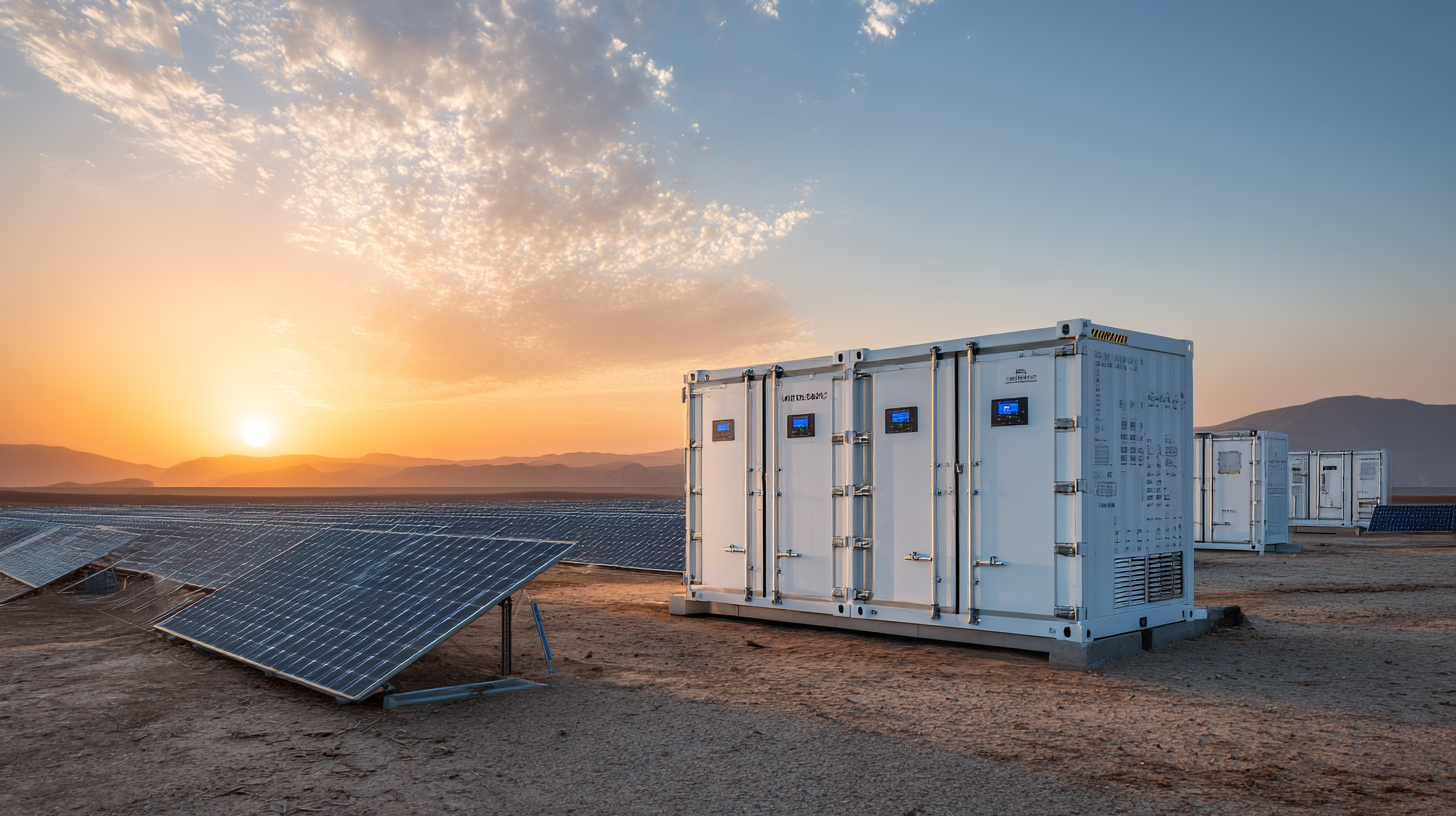 Getting the charge and discharge cycles just right in a solar power plant’s battery storage system is a big deal if you want it to perform at its best. When operators carefully manage these cycles, they can really stretch out the life of the batteries and squeeze more capacity out of them. Plus, it helps make sure that all that energy captured during those bright, sunny hours doesn’t go to waste. Using smart algorithms can make a huge difference here—they help keep the charging process precise and balanced, so batteries aren’t overstuffed or drained too much. These tech tricks can even predict energy needs ahead of time, adjusting how fast or slow the batteries charge to keep everything running smoothly.
Another cool approach is to bring in advanced battery management systems, or BMS for short. These systems keep a close eye on real-time data—think of it like a health check-up for batteries. They tweak how the system works based on what's happening outside and how much energy people need. Some BMS even learn over time, using machine learning to fine-tune their decisions. This way, everything becomes more efficient, batteries last longer, and the whole solar setup becomes more reliable and sustainable. It’s like creating a smooth, seamless flow from making the energy to using it—pretty neat, right?
Integrating AI and IoT for Real-Time Battery Monitoring and Load Management
You know, integrating AI and IoT tech into solar power plants is seriously changing the game when it comes to battery storage. It’s now easier to do real-time monitoring and manage loads more effectively. I read somewhere that, according to the International Energy Agency (IEA), the worldwide energy storage market could hit around 1,095 GWh by 2040—that’s pretty huge! It really shows how important it’s becoming to have smarter, more optimized battery systems for renewable energy. Plus, with AI algorithms, plant operators can dig through massive amounts of data to predict how batteries will perform, spot issues before they happen, and fine-tune charging schedules. That kind of thing can actually extend the battery’s life by up to 30%, which is pretty impressive.
And then there are IoT devices—they’re kind of the backbone of this whole setup. They constantly send info about the batteries’ status, temperature, and energy use, giving folks a real-time pulse on everything. A study in the Journal of Energy Storage even suggests that using IoT solutions can boost energy efficiency in battery operations by about 15 to 25 percent. The whole combo of AI and IoT doesn’t just make load management more precise; it also allows solar plants to adapt quickly to changing energy demand and supply. All in all, this means a stronger, more flexible energy grid that makes the most of solar power while keeping operational costs down.
Economic Benefits of Increased Storage Efficiency in Solar Power Systems
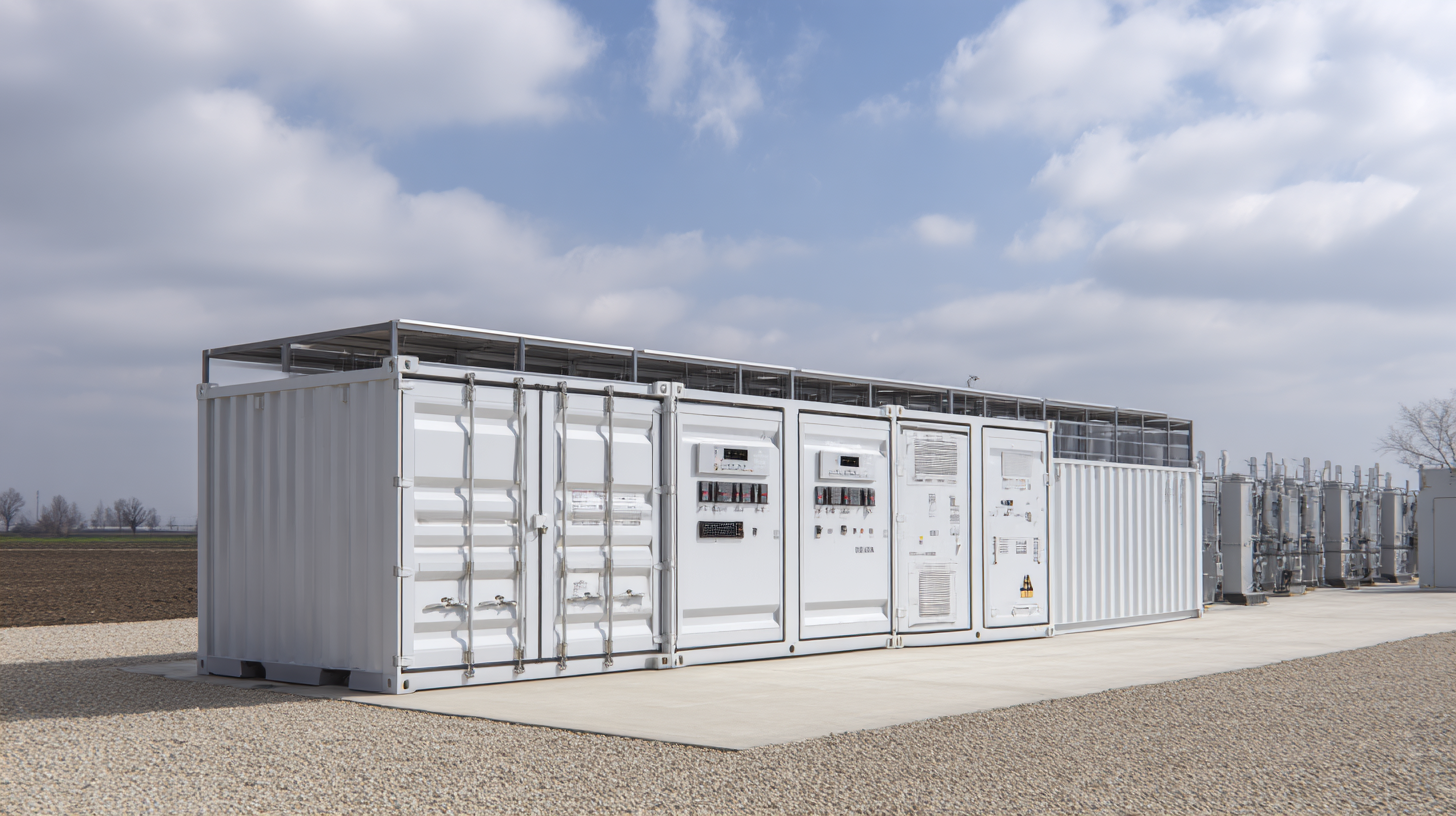
Lately, there's been a real push for renewable energy, and it’s not just about generating power but also making sure energy storage is efficient. Solar farms, in particular, could really benefit from better battery storage solutions. When storage systems work more efficiently, it helps cut down on energy lost during charging and discharging—that means a more dependable power supply overall. A good, well-tuned battery system can charge up and release energy more smoothly, which is super helpful during those high-demand times when energy prices shoot up.
On the economic side, the benefits are pretty clear. When storage gets more efficient, solar operators can make the most of their investments by selling excess energy back to the grid when prices are high. This not only boosts their profits but can also cut down on operational costs since they don’t have to buy as much power from traditional sources. Plus, better batteries tend to last longer and need less maintenance, saving more money in the long run. All in all, folks in the solar biz are starting to see how these improvements can really boost their bottom line and help push us toward a more sustainable energy future.
Case Studies: Success Stories of Advanced Battery Storage Implementation
You know, innovative battery storage solutions are really shaking up how we manage solar power plants. They’re making these setups way more efficient and reliable. One cool example is the Hornsdale Power Reserve over in South Australia. It’s using Tesla’s Powerpack tech, and the results are pretty impressive. Bloomberg New Energy Finance reports that not only has it helped stabilize the grid, but it’s also slashed costs during peak times by about 90%. Pretty crazy, right? By deploying huge lithium-ion batteries, Hornsdale shows us that advanced storage can make energy dispatch much more flexible and sustainable.
 And then there’s the Solar-Plus-Storage project in California—another awesome success story. They’ve combined solar panels with batteries from LG Chem, and it’s been a game-changer. In fact, this project’s energy utilization went up by around 60%, compared to the old-school systems. What’s cool is how they can still use solar power even when it's not sunny outside, helping to fill that gap that usually happens in traditional setups.
Tip 1: When you’re looking at battery storage options, try to go for systems with high round-trip efficiency—that way, you get the most out of every bit of stored energy.
Tip 2: Make it a habit to regularly check on your batteries’ health and performance. It helps keep things running smoothly and can even extend their lifespan. Just a little maintenance goes a long way!
FAQS
: Innovative battery storage solutions enhance the efficiency of solar power plants by effectively storing and utilizing solar energy. They address the intermittency of renewable energy, allowing energy capture during peak sunlight hours and release when needed.
The most common battery technologies for solar energy storage include lithium-ion batteries, flow batteries, and solid-state batteries, each offering unique advantages in terms of efficiency, lifespan, and safety.
Lithium-ion batteries dominate the market due to their high energy density and efficiency, making them suitable for solar applications, although they have thermal management issues and a limited lifespan of around 10 years.
Flow batteries allow for longer discharge times and have a lifespan exceeding 20 years, offering up to 30% lower costs per cycle compared to lithium-ion batteries. They decouple power generation from energy storage, improving scalability for large projects.
Solid-state batteries are emerging as a viable option, offering higher energy densities and improved safety due to their non-flammable nature. The market for solid-state batteries is projected to grow significantly in the coming years.
The Hornsdale Power Reserve in South Australia uses Tesla's Powerpack technology, stabilizing the grid and reducing costs by 90% during peak demand. This project showcases the substantial benefits of advanced battery storage systems.
The Solar-Plus-Storage project in California integrated solar panels with advanced battery systems, resulting in a 60% increase in energy utilization rates compared to conventional systems, effectively utilizing solar power during non-sunny hours.
It is recommended to prioritize systems with high round-trip efficiency to maximize energy usage and regularly evaluate the health and performance of battery systems to maintain optimal operation and extend their lifespan.
Conclusion
When it comes to making solar power systems more efficient, battery storage really plays a huge role. Lately, there have been some pretty exciting advances—think advanced battery tech that helps optimize how solar plants perform. Looking at different kinds of batteries, like lithium-ion, flow batteries, or even solid-state options, really shows how we can improve how well those batteries charge and discharge—ultimately boosting storage capacity.
Plus, with the magic of AI and IoT tech getting involved, we now have real-time monitoring and smarter load management. That helps distribute energy more effectively and cuts down on waste. On top of that, the economic benefits are pretty clear—many successful cases show that upgrading to more efficient battery storage can seriously pay off for solar projects.
LONG WAY Battery (Kaiying Power & Electric Co., Ltd.) is all in on this, ready to meet the growing need for innovative storage solutions. They’re helping push renewable energy forward by providing reliable, cutting-edge battery options that support this green transition.