Exclusive Offer: Limited Time - Inquire Now!

For inquiries about our products or pricelist, please leave your email to us and we will be in touch within 24 hours.

Leave Your Message

0%

In a world that never slows down, we all know how crucial it is to have energy storage you can actually rely on. As industries push to boost productivity and cut downtime, sealed rechargeable batteries are turning up as a compact, maintenance-free alternative to the old-school power sources.
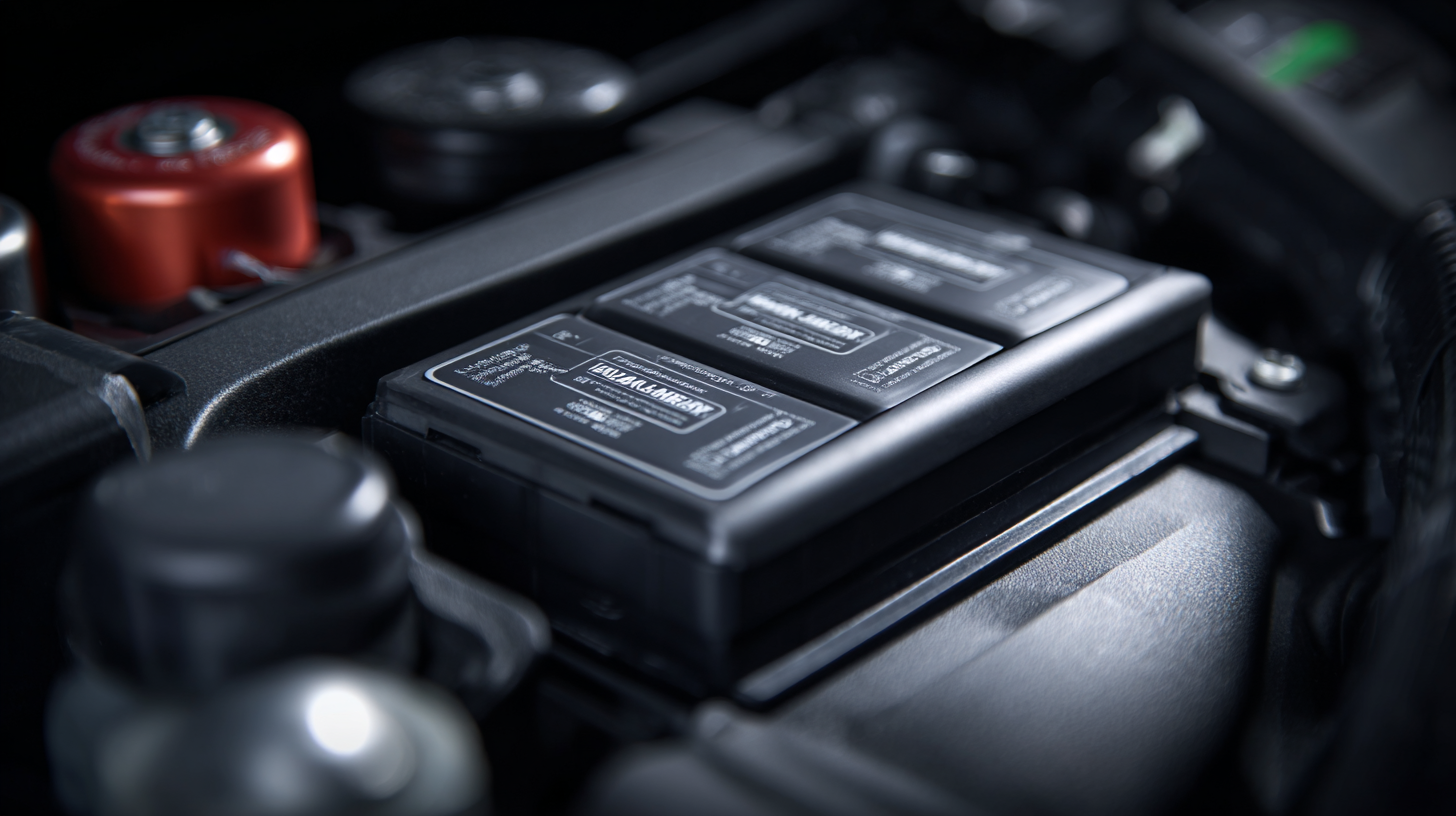
Innovative Solutions for Maximizing Efficiency with the Best Sealed Rechargeable Battery

LONG WAY Battery (Kaiying Power & Electric Co., Ltd.), founded in 2000, has been riding this wave of innovation, offering a wide lineup of lead-acid batteries that fit a whole spectrum of industrial and commercial needs. With voltages from 2V to 24V and capacities from 0.8Ah to 3000Ah, LONG WAY Battery is focused on delivering cutting-edge solutions that squeeze more efficiency out of your operations and help your business thrive.

In this post, we'll dive into practical strategies for getting the most out of Sealed Rechargeable Batteries and show how they can boost both operational effectiveness and sustainability.
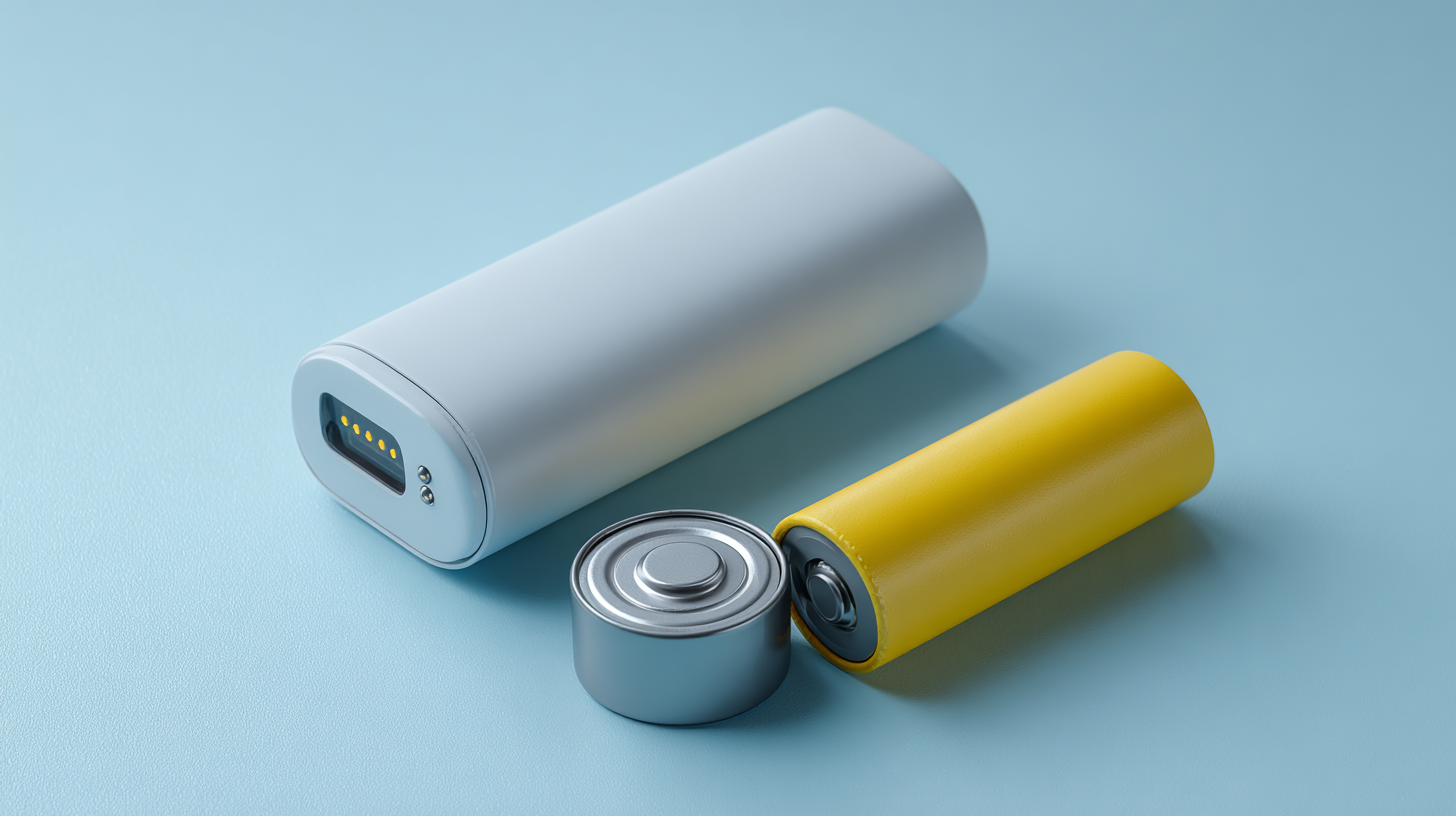
Understanding the Importance of Sealed Rechargeable Batteries in Modern Applications

Innovative Solutions for Maximizing Efficiency with the Best Sealed Rechargeable Battery Sealed rechargeable batteries have changed how we power our devices, bringing real perks that boost efficiency and convenience across a bunch of different uses. Unlike the old, spill-prone kinds, these sealed units cut the risk of leaks and cut down on maintenance, which makes them a solid fit for everyday consumer electronics, medical devices, and renewable energy setups. Their sturdy, go-anywhere design stands up to regular use, offering longevity and safety—exactly the kind of reliability people rely on.

Beyond the practical upsides, sealed rechargeable batteries help technology move forward by delivering steady, dependable power. That kind of consistency matters a lot for demanding stuff like electric vehicles and energy storage systems. As industries keep leaning toward sustainable solutions, these batteries become more and more important. They support longer device lifetimes and help eco-friendly efforts by reducing waste and keeping renewable energy in the mix. By understanding what sealed rechargeable batteries can do, we can keep pushing innovation and efficiency across a wide range of sectors.

Key Innovations Driving Efficiency in Rechargeable Battery Technology

Battery technology is advancing, and it’s a big deal for squeezing more efficiency out of lots of applications—especially electric vehicles and storing energy from renewables. Lately, aluminum-based batteries are catching real attention. They’re not only safer; they’re cheaper too, because aluminum is plentiful and easy to source. That combination could slash production costs and push these batteries toward widespread adoption.

There are also new approaches worth watching, like tweaking the texture of the metal inside the cells. Early findings suggest that optimizing metal surfaces can boost electron mobility and improve charge‑discharge cycles, which translates into faster charging and a longer lifespan. And solid‑state battery tech is gaining momentum, offering higher energy density along with enhanced safety that could shake up the market. The pace of progress isn’t slowing—experts expect solid‑state and sodium‑ion innovations to boost both affordability and sustainability in the near future.

Comparative Analysis: Sealed vs. Traditional Rechargeable Batteries

Let's talk about rechargeable batteries and how sealed options stack up against the standard ones. In general, sealed rechargeable batteries—like sealed lead-acid (SLA) and lithium-ion (Li-ion) types—tend to be safer and last longer. A Grand View Research report projects the global lithium-ion battery market to reach about USD 129.3 billion by 2027, which reflects a growing preference for sealed designs because they're efficient and perform well across a range of applications.

Innovative Solutions for Maximizing Efficiency with the Best Sealed Rechargeable Battery

By comparison, traditional rechargeable batteries usually have a lower upfront cost but demand more maintenance and don't last as long. The IEEE notes that sealed batteries can generally withstand more charge-discharge cycles than their traditional counterparts, making them a more cost-effective choice in the long run.

Tips to keep in mind: When you're picking a battery, map out your application's needs—energy density, weight, discharge rate, and so on. And always use batteries that match the manufacturer's recommendations to keep performance and safety at their best. Also, regularly check the battery's condition, since neglect can shorten lifespan and efficiency.

Real-World Applications Showcasing Maximized Efficiency with Advanced Batteries

Rechargeable batteries have really started reshaping a lot of industries by making real-world applications more efficient. A recent International Energy Agency report projects global demand for rechargeable batteries will exceed 2,000 GWh by 2030, driven by the booming electric vehicle market and the growing need for renewable energy storage. Advanced sealed rechargeable batteries—like lithium-ion and solid-state options—are at the forefront of this tech surge, delivering higher energy densities (up to 250 Wh/kg) and faster recharge cycles.

Industries are already feeling the benefits from these advances. In the auto sector, companies using these advanced battery technologies can push driving ranges about 30% farther between charges, a real boost for consumer adoption. In renewables, battery systems are increasingly used for grid storage, helping unlock roughly a 30% improvement in energy efficiency and smoother load management. All of this matters because it supports the transition toward sustainable energy while squeezing more performance out of a wide range of applications.

Navigating the Future: Trends in Sealed Rechargeable Battery Development and Usage

As the sealed rechargeable battery market keeps evolving, industry chatter is pointing to a real shift toward higher efficiency and better performance. The global electric vehicle market is set to grow big - estimates put it at about $603.6 billion in 2024, rising to roughly $4.5 trillion by 2032. What’s driving that surge? Advances in battery tech, especially the move to silicon-carbon materials that boost energy density and allow faster charging. You'll also hear that an 800V high-voltage fast charging system could become the standard, delivering sharper performance and a smoother user experience.

Tips: When choosing sealed rechargeable batteries, look for products that use the latest tech - fast charging, strong energy density, and a wide voltage range to cover different applications. The consumer battery market is also catching fire, with rising demand for rechargeable options in sectors that need reliable power. Recent analyses suggest the secondary battery segment, which includes sealed rechargeable variants, will hold a sizable share of the market. Companies like LONG WAY Battery are positioned to meet these needs, offering a robust lineup of lead-acid batteries with solid performance metrics, so businesses can rely on quality and efficiency in their operations.

Global Perspectives on Manufacturing Quality and Sustainability in Battery Production

As demand for sealed rechargeable batteries keeps climbing, it's worth looking beyond just efficiency and considering how they're made. People and companies around the world are placing more emphasis on quality manufacturing that minimizes environmental impact. This shift toward sustainable practices isn't just good for the planet; it also tends to boost battery performance and reliability.

Tip: A closed-loop approach in battery production can cut waste significantly. Recycling materials from used batteries helps ensure a greener, more cost-efficient production cycle.

In addition, global standards and certifications for manufacturing are becoming increasingly important. Meeting these standards doesn't just guard quality—it can give you a real edge in a crowded market. Consumers are more likely to choose products from companies that show a genuine commitment to sustainability.

Tip: Get involved with local and international sustainability initiatives. By taking part in these programs, companies can boost their reputations and gain practical insights into best practices for efficient manufacturing and environmental stewardship in the battery industry.

Innovative Solutions for Maximizing Efficiency with the Best Sealed Rechargeable Battery

This chart demonstrates the efficiency of various rechargeable battery technologies based on their capacity retention over multiple charge cycles, reflecting the trends in manufacturing quality and sustainability.

FAQS

: What are the main advantages of sealed rechargeable batteries compared to traditional batteries?

: Sealed rechargeable batteries offer enhanced safety, longer lifecycle, and can withstand more charge-discharge cycles, making them a more cost-effective solution in the long run.

Why is the lithium-ion battery market expected to grow significantly?

The global lithium-ion battery market is projected to reach USD 129.3 billion by 2027 due to its efficiency and performance across various applications, leading to a growing preference for sealed designs.

What should consumers consider when choosing between sealed and traditional rechargeable batteries?

Consumers should assess specific requirements like energy density, weight, discharge rates, and ensure batteries align with the manufacturer's recommendations for optimal performance and safety.

How has battery technology influenced the electric vehicle market?

Advancements in battery technology, such as the use of silicon-carbon materials and the implementation of 800V high-voltage fast charging systems, are projected to significantly boost the electric vehicle market, which is expected to grow from $603.6 billion in 2024 to approximately $4.5 trillion by 2032.

What trends are emerging in the sealed rechargeable battery market?

Industry trends indicate a shift towards higher efficiency and performance batteries, including features like fast charging capabilities and superior energy density, meeting the increasing demand in sectors requiring reliable power sources.

Which companies are leading the market for sealed rechargeable batteries?

Companies like LONG WAY Battery are noted for providing a comprehensive range of lead-acid batteries with robust performance metrics, positioning themselves to meet rising consumer demand for reliable power sources.

How does maintenance differ between sealed and traditional rechargeable batteries?

Traditional rechargeable batteries typically require more maintenance compared to sealed batteries, which generally have lower maintenance needs due to their design and technology.

What is the impact of neglecting battery care on lifespan and efficiency?

Regular monitoring and maintenance of batteries are crucial; neglect can significantly shorten their lifespan and reduce efficiency, impacting their overall performance.

What innovations are consumers looking for in sealed rechargeable battery products?

Consumers are increasingly seeking products that incorporate the latest innovations, such as fast charging technology, better energy density, and a wide voltage range to suit diverse applications.
Samantha

Samantha

Samantha is a dedicated marketing professional at Quanzhou Kaiying Power Supply and Electrical Appliances Co., Ltd., where she thrives in promoting the company's innovative products. With a deep understanding of the industry and the company’s extensive range of power solutions, she excels at......
Previous 7 Insider Strategies for Choosing the Best High Performance Agm Battery