Lately, there's been a real surge in the demand for renewable energy solutions, and because of that, Large Solar Battery Storage Systems are becoming kinda like the star players in sustainable tech. The International Renewable Energy Agency (IRENA) reports that worldwide energy storage is growing at a crazy pace—some forecasts even say it could hit up to 1,200 GW by 2030. A big part of this push is because we need better ways to handle the unpredictable nature of solar power and make our grids more reliable overall. Oh, and by the way, LONG WAY Battery (that’s Kaiying Power & Electric Co., Ltd.) has been around since 2000 and has played a pretty important role in all this. They're a top manufacturer of lead-acid batteries, offering all sorts of options—from small 2V up to 24V, and capacities ranging from just 0.8AH to a hefty 3000AH. These batteries are super useful for all kinds of industrial and commercial stuff. When you combine cutting-edge battery tech with large-scale solar storage, it really opens up the full potential of renewable energy, helping us tackle today’s energy challenges in a more sustainable way.
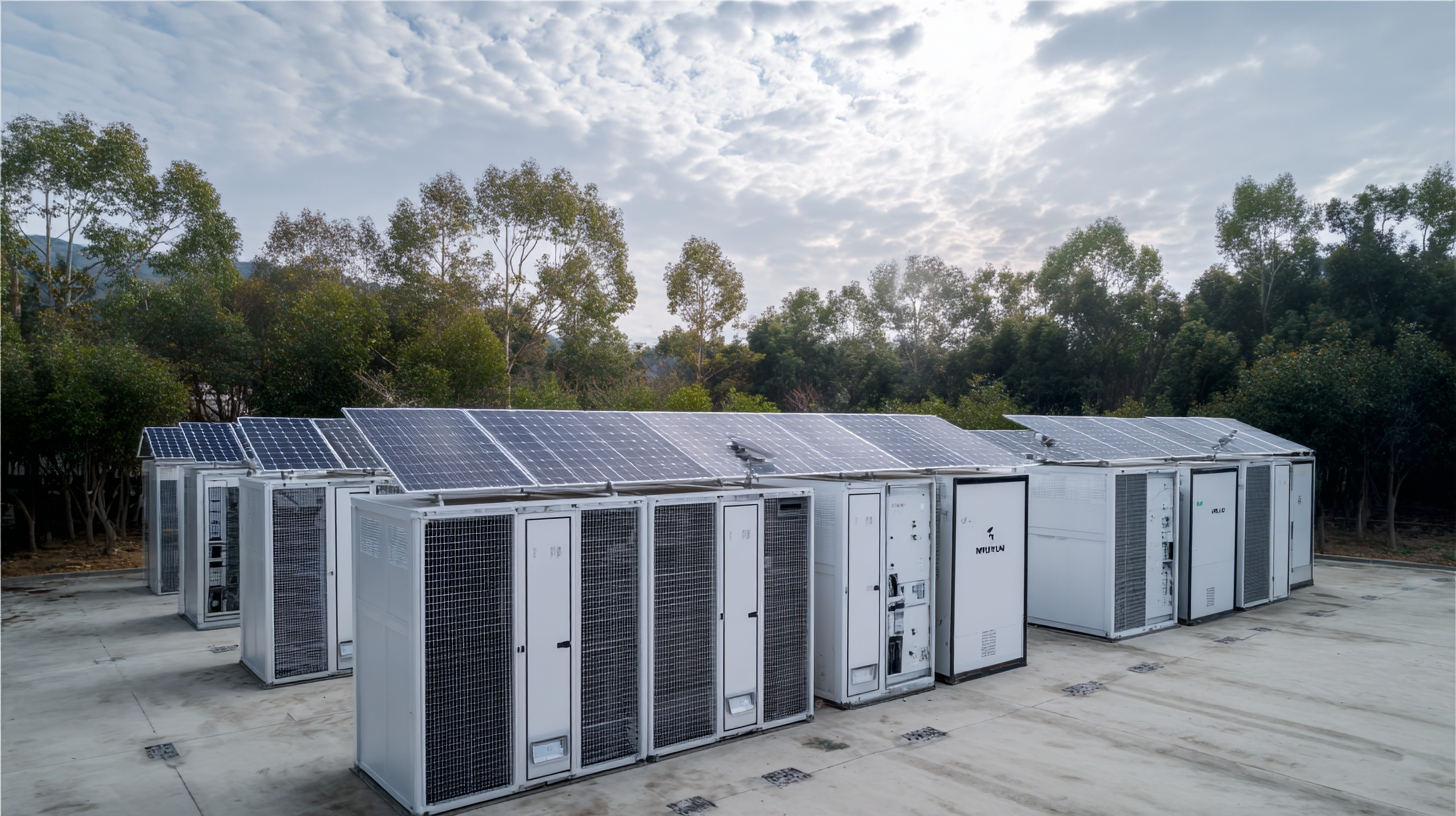
Understanding the Basics of Large Solar Battery Storage Systems
Large solar battery storage systems are such a crucial part of moving us toward a more sustainable energy future. Basically, they scoop up any excess energy your solar panels produce on those bright, sunny days—so even when the sun takes a break, your home or business still has reliable power. Honestly, understanding how these systems work is pretty important because it helps us see their real value—boosting efficiency and keeping the grid stable.
At the heart of these big storage setups is the battery tech itself. Usually, we're talking about lithium-ion batteries or similar advanced chemistries. These batteries capture and hold onto solar energy, which can then be tapped into whenever you need it. What’s cool is that storing energy like this helps tame the unpredictable nature of solar power. Plus, it lets you use the stored energy during those peak hours when electricity is more expensive, which can really cut down your bills.
And it’s not just about saving money. These huge batteries also make the grid more resilient. They can step in with backup power if there’s a blackout and help reduce our reliance on dirty fossil fuel plants to meet high demand. As battery technology keeps evolving, the potential for these solar storage systems to really change how we harness renewable energy and integrate it into everyday life is pretty exciting—and honestly, kind of promising for the future.
The Benefits of Integrating Battery Storage with Solar Energy
You know, combining battery storage with solar energy really opens up a lot of great opportunities for both homeowners and businesses alike. It’s a game-changer on the path toward a more sustainable and cleaner energy future. As more people jump on the renewable energy bandwagon, the importance of Battery Energy storage systems—those BESS—becomes pretty clear. Recent reports suggest that by around 2030, solar power could make up roughly 30 to 35% of all electricity generated. That really highlights just how crucial it is to get efficient at managing and storing energy. Take Mexico, for instance — adding battery storage there doesn’t just make the grid more stable; it actually boosts overall energy security. As solar power keeps growing, investing in these storage solutions is pretty essential.
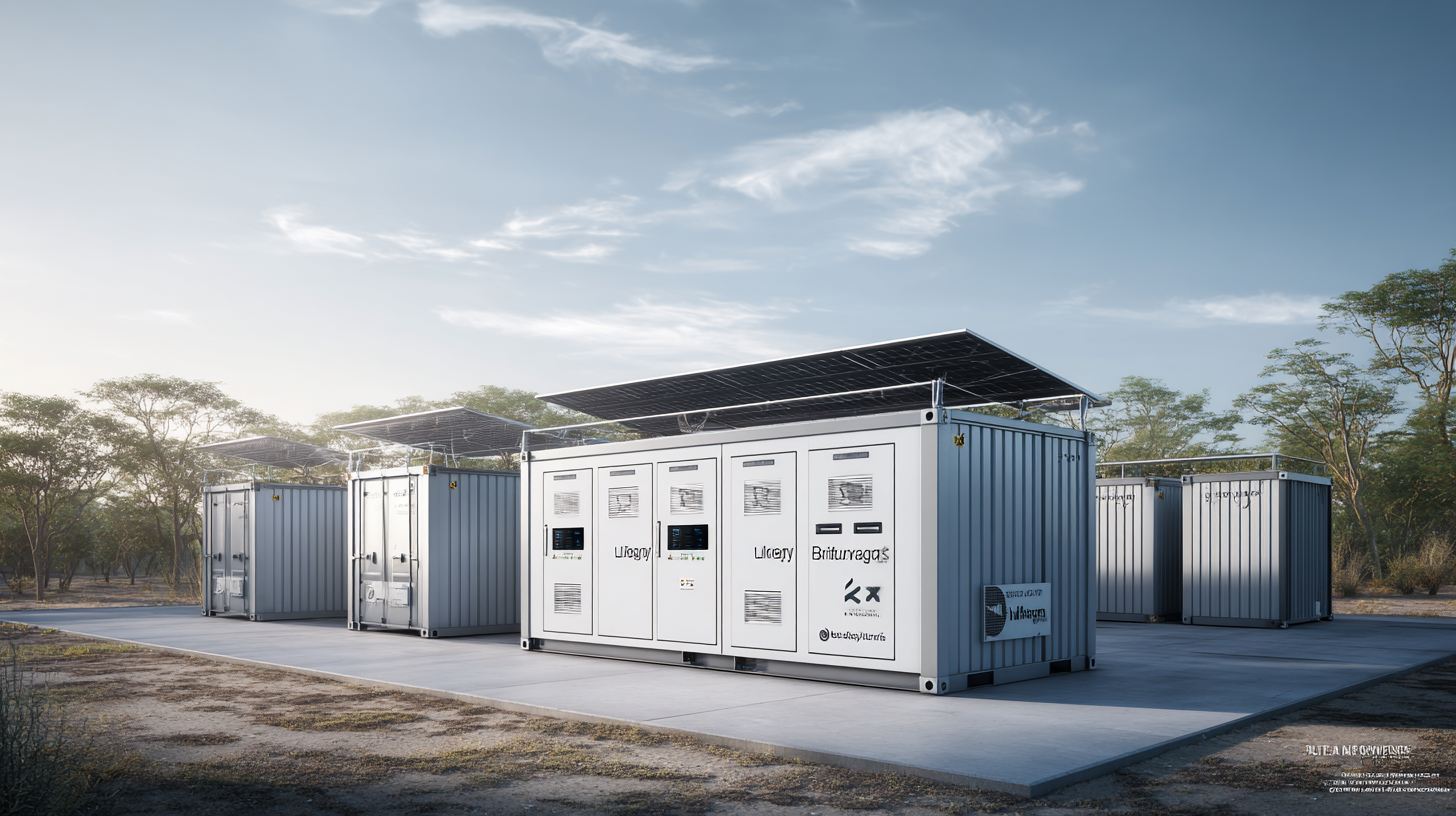
Putting your money into advanced battery storage can make your electricity not just more reliable, but also more affordable. Industry folks often point out that smart energy management—like sitting your batteries right next to your solar panels—is a smart move. Of course, to make everything run smoothly, you’ll need to handle things like permits, safety measures, and proper maintenance, so everything stays in good shape.
A few tips for you:
- Make sure to check out your local rules and chat with professionals when you’re planning to put together a solar and battery setup.
- Keep up with regular maintenance and keep an eye on how your system’s doing—that’ll help it run better and last longer.
- And don’t forget to stay updated on new tech; innovations in solar and storage—like better performance even at higher temperatures—can really give you a leg up.
Key Technologies Behind Solar Battery Storage Solutions
You know, developing big solar battery storage systems is pretty much essential if we wanna see a future where renewable energy really takes off. These systems are what help us get the most out of solar power, making it more reliable. Some of the main tech that makes these storage solutions tick includes lithium-ion batteries, flow batteries, and newer improvements in battery management systems. Lithium-ion batteries are super popular because they pack a lot of energy in a small space and can charge and discharge quickly — which is great for keeping the energy supply steady. They’re basically the backbone of many solar storage setups these days.
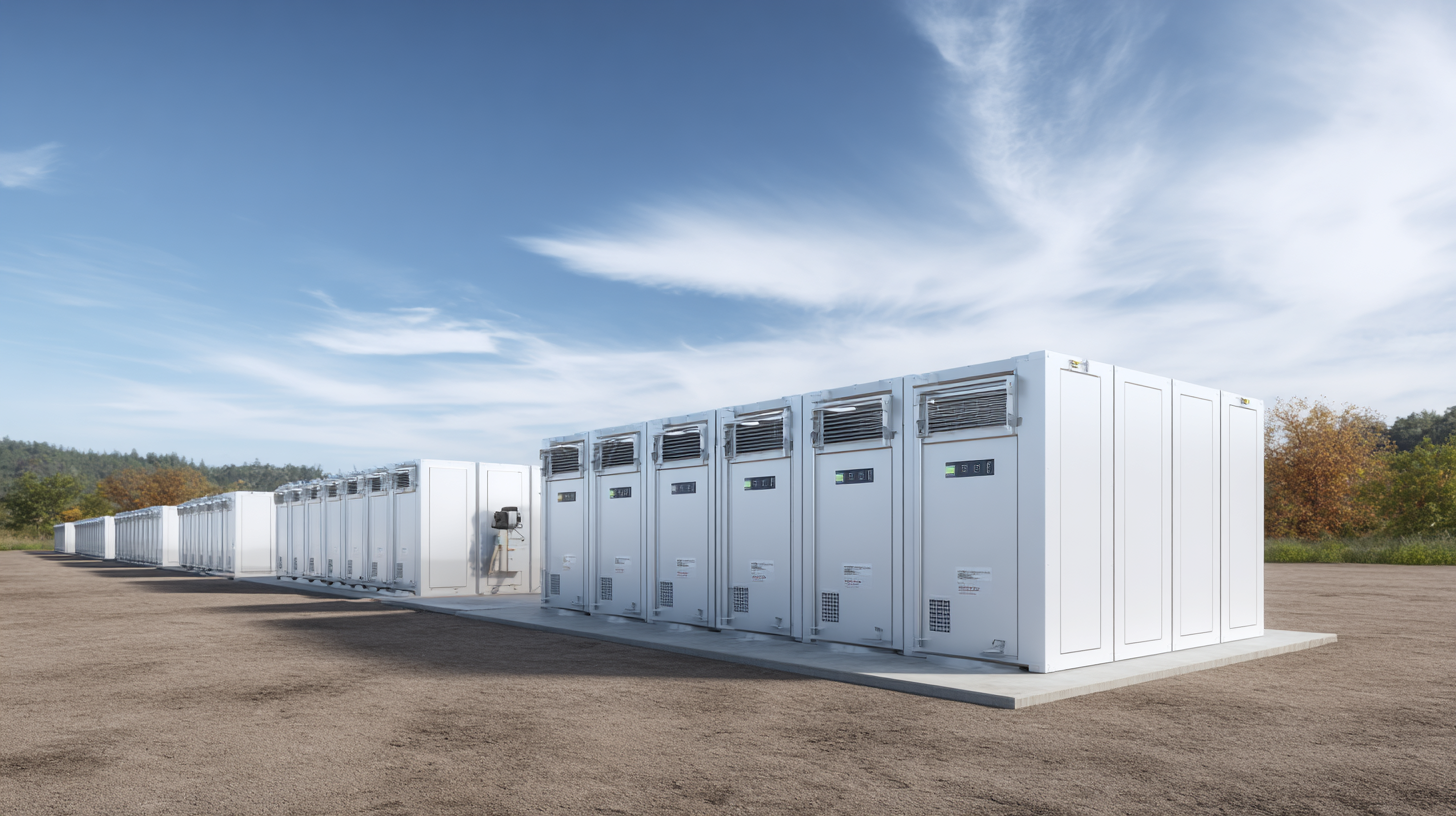
Then there are flow batteries, which are pretty exciting. They can be scaled up easily and are perfect for delivering power over longer stretches of time. That makes them ideal for big solar projects across the board. Plus, advances in battery management systems are really boosting how well these batteries perform and how long they last. They do a better job at managing energy and can even predict when maintenance might be needed. Honestly, with all these tech innovations coming together, solar energy is becoming way more reliable and efficient. And at the same time, we’re cutting down our dependence on fossil fuels — which is a huge win for everyone.
Steps to Implement Large-Scale Solar Battery Systems
You know, more and more folks are realizing that switching to renewable energy is pretty much essential if we want to hit those sustainability goals. And one big piece of the puzzle? Large-scale solar battery storage systems. They’re super important because they help tackle the problem of solar power being kinda inconsistent—it doesn’t shine all the time, after all. According to a report from the International Renewable Energy Agency (IRENA), by 2030, the world’s energy storage capacity could hit around 1,500 gigawatt-hours (GWh), with Solar Batteries leading the charge. But, of course, making all this happen isn’t just a walk in the park. There are some key steps to consider. First off, doing a detailed feasibility study is crucial. That means looking into how reliable local solar resources are, what the electricity demand looks like, and brainstorming on the best spots for installing these batteries. The folks at the National Renewable Energy Laboratory (NREL) also stress the importance of using smart forecasting tools—they really help optimize energy production and storage. Once that’s sorted, forming solid partnerships with tech providers and grid operators becomes a game-changer. Working together like that can lead to innovative solutions, keeping the grid steady while really getting the most out of solar power. And let’s not forget—funding and incentives are a big deal. The U.S. Department of Energy points out that federal and state incentives can cut down on those big initial costs, making it way easier to roll out large battery projects. So, if we follow these steps, we’re on our way to unlocking the full potential of solar storage, paving the way toward a cleaner, greener energy future we all wanna see.
Overcoming Challenges in Solar Battery Storage Deployment
Putting large solar battery storage systems into action is pretty much essential if we want to unlock the full potential of renewable energy. That said, there are a bunch of hurdles we need to clear first to get these systems smoothly integrated into our current energy setups. For starters, the biggest challenge is the hefty upfront cost. Even though prices have been coming down over time, it still takes a pretty big investment to get these systems installed and up and running, which can be a real sticking point for many folks and companies thinking about jumping in.
On top of that, the tech isn't quite perfect yet—battery energy density and charging efficiency still have room for improvement, which affects how long they last and how well they perform. To really make progress, we need ongoing research and development to boost battery tech, make it more efficient, and hopefully, bring down costs. Plus, our rules and regulations need to catch up with the technology, encouraging and supporting both manufacturers and users through incentives and clear policies. Fixing these issues means large solar batteries could finally become a practical, reliable way to harness solar power, paving the way for a greener, more resilient energy future that we can all get behind.
Unlocking the Future of Renewable Energy with Large Solar Battery Storage Systems - Overcoming Challenges in Solar Battery Storage Deployment
| Dimension | Data |
| Average Storage Capacity (MWh) | 500 |
| Number of Installed Systems (Units) | 2000 |
| Total Energy Storage (GWh) | 1000 |
| Average Lifespan (Years) | 15 |
| Cost per MWh ($) | 300,000 |
| Percentage of Renewable Energy Use (%) | 80 |
| Average Charge/Discharge Efficiency (%) | 90 |
| Typical Battery Type | Lithium-ion |
| Grid Connectivity (Yes/No) | Yes |
| Environmental Impact Rating (1-10) | 8 |
Future Trends in Renewable Energy and Battery Storage Innovations
The whole renewable energy scene is changing really quickly, and a lot of it has to do with new advances in battery storage tech. Did you know that the global market for renewable energy is expected to hit around $1.02 trillion in 2024? And it’s only forecasted to grow even more over the next decade. Because of that, the need for reliable, efficient energy storage options has never been more important. Big solar battery storage systems are becoming super essential in making the most of renewable energy—they let us store the excess energy produced on sunny days and then use it when demand is highest.
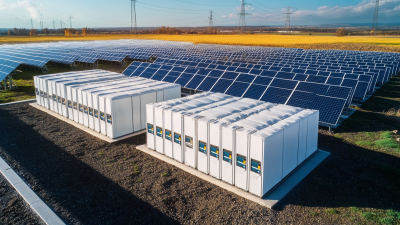
One area that’s really catching attention is containerized energy storage systems. It’s estimated to be worth about $14.7 billion in 2024, and experts predict this will jump up to a whopping $55.1 billion by 2032. The growth rate is pretty impressive too—around 15.2% annually—showing how we’re moving more toward decentralized energy solutions. As the demand for high-quality batteries keeps climbing, innovative things like solid-state batteries are getting in the spotlight. They promise safer and more efficient storage options, and it feels like we’re on the brink of a real game-changer moment in renewable energy and battery tech. All these trends point toward a more sustainable and innovative energy future, where breakthroughs will keep shaping the way we power our world.
This chart illustrates the growth of global solar battery storage capacity from 2018 to 2023, showcasing a significant increase in energy storage solutions that enable the use of renewable solar energy effectively. As innovations continue to evolve, the future of renewable energy looks promising with enhanced battery storage technologies.
FAQS
: Integrating battery storage with solar energy improves grid stability, energy security, reliability, and affordability of electricity, enabling efficient energy management.
As solar energy accounts for a significant portion of total electricity generation, battery storage systems (BESS) enhance efficiency and reliability, crucial for meeting increasing energy demands.
Key technologies include lithium-ion batteries for their high energy density, flow batteries for scalability, and advancements in battery management systems that optimize performance and extend lifespan.
Local regulations, professional guidance, permitting, safety, and maintenance planning are essential considerations for successful integration.
Regular maintenance and monitoring of energy storage systems can significantly improve their efficiency and prolong their operational lifespan.
Innovations in battery storage, such as solid-state batteries, and the growing market for containerized energy storage systems indicate a strong shift towards decentralized and efficient energy solutions.
The global renewable energy market is expected to reach $1.02 trillion by 2024, with significant growth anticipated over the next decade, driven by demand for efficient energy storage solutions.
Flow batteries provide longer discharge times and excel in utility-scale applications, while lithium-ion batteries offer rapid charging and discharging capabilities, making them suitable for balancing supply and demand.
The containerized energy storage system market is projected to be valued at approximately $14.7 billion in 2024, with expectations to rise to $55.1 billion by 2032.
Innovations such as solid-state batteries are emerging as the next generation of energy storage, promising enhanced safety and efficiency in renewable energy applications.
Conclusion
The article titled 'Unlocking the Future of Renewable Energy with Large Solar Battery Storage Systems' dives into how these big battery setups could really change the game in renewable energy. It kicks off with a simple overview of what these systems are all about, especially how they help make solar power more reliable and efficient. From there, it talks about the main perks—like getting the most out of every bit of energy and having backup power during times when demand spikes, which is pretty cool.
Then, it goes into the tech behind these storage solutions and lays out some practical steps for actually making large-scale solar battery systems happen. Of course, no story is complete without mentioning the hurdles—like the challenges in deploying these systems—and how to tackle them. To wrap things up, the piece gives some interesting insights into what’s coming next, highlighting ongoing innovations in renewable energy and battery tech. It’s all in line with LONG WAY Battery’s dedication to providing top-quality energy solutions for all kinds of applications.