You know, as more folks are leaning towards renewable energy these days, Solar Battery Home Backup systems have really become must-haves for anyone wanting to gain energy independence and a bit of peace of mind during power outages. I came across a report from the International Energy Agency (IEA) that said by 2023, we're looking at global renewable power capacity hitting around 4,800 gigawatts! And guess what? Energy storage is going to be a big deal in making that happen. So, there's this company called LONG WAY Battery(that's Kaiying Power & Electric Co., Ltd. if you want to be formal) that’s been in the lead-Acid Battery game since 2000. They've got a whole variety of batteries for all kinds of uses, including solar energy storage. They cover voltages from2V up to 24V, with capacities going as high as 3000AH. Pretty cool, right? They seem to be in a great spot to offer reliable solutions for anyone interested in Solar Battery Home Backup systems. In this blog, we’re gonna dive into the top 10 things you should think about when picking the best system for your home, so you can make a smart choice with all the options out there these days.
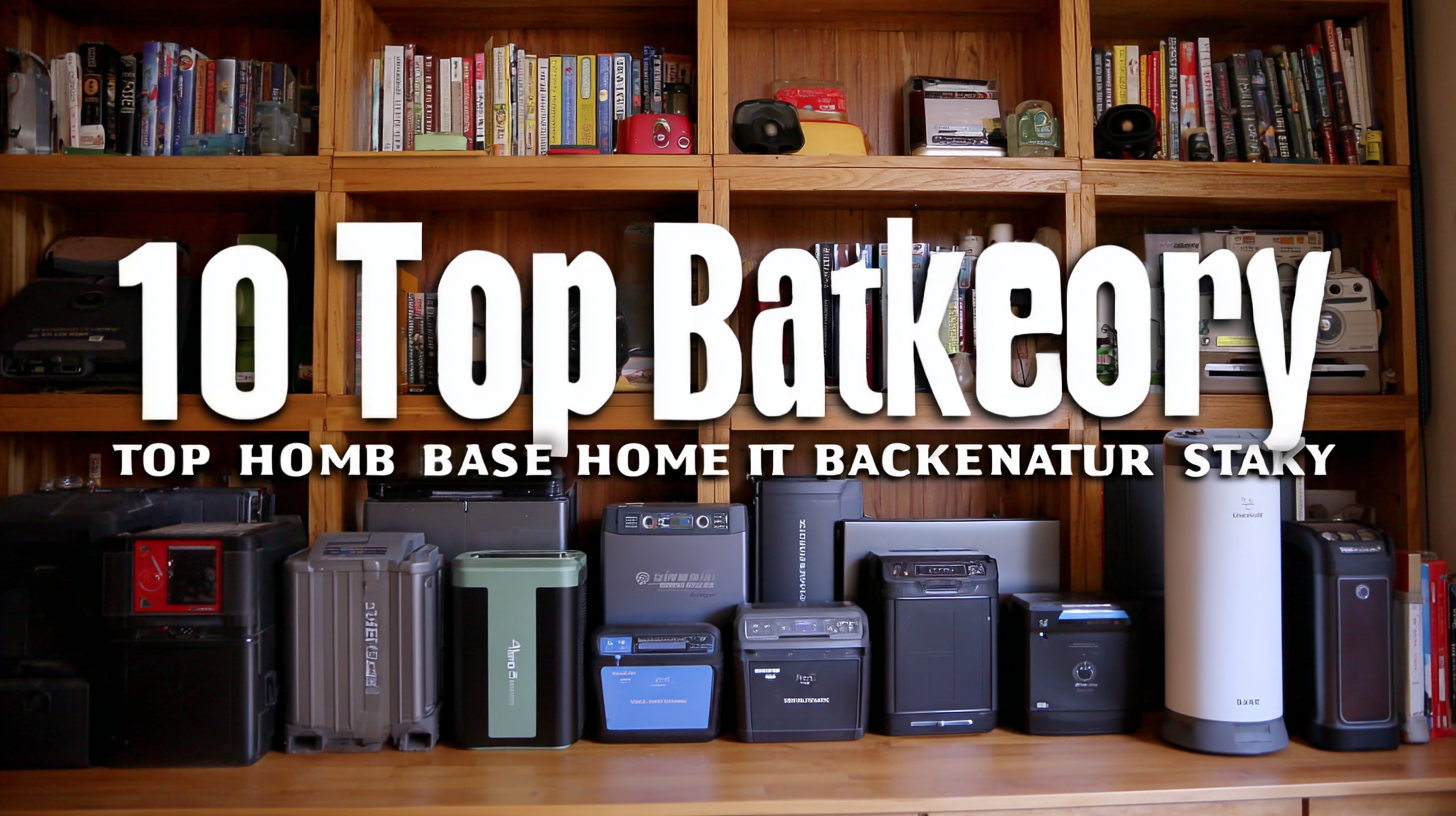
Key Factors to Consider When Selecting a Solar Battery Backup System
So, if you're thinking about picking out a solar battery backup system for your home, there are a few important things you really want to keep in mind to find the setup that suits your energy needs just right. First off, take a good look at your energy consumption habits. You really need to know how much energy you're using each day because that’ll help you figure out what kind of battery capacity you'll need. This way, you can make sure the battery will keep your house running smoothly during power outages or those gloomy, low-sunlight days. It’s all about having that peace of mind knowing you won't be left in the dark!
Another biggie is the type of battery tech you’re going to go with. Right now, lithium-ion batteries are all the rage thanks to their efficiency, long lifespan, and quick charging. But hey, let’s not forget about lead-acid batteries — they're still around and tend to have a lower upfront cost. It’s super important to think about the long-term perks and what’s involved in installing each type. Plus, you'll want to make sure the battery works well with your current solar panel setup. Making sure the battery and your inverter play nice together can really boost performance and how long it'll last. In the end, putting in some time to think through these key factors will help you land on a solar battery backup system that's just right for you and really ramps up your home’s energy resilience.
Top 10 Essential Items for Choosing the Best Solar Battery Home Backup System
| Factor | Description | Importance | Average Cost ($) |
| Battery Capacity | The total amount of energy the battery can store. | High | 4000 - 9000 |
| Cycle Life | The number of charge and discharge cycles a battery can handle. | High | 300 - 800 |
| Depth of Discharge (DoD) | The percentage of the battery's capacity that can be discharged. | Medium | N/A |
| Efficiency | The amount of energy retained from what was stored. | High | N/A |
| Warranty | The period during which the manufacturer supports the product. | High | N/A |
| Installation Cost | The expense associated with professionals setting up the system. | High | 1000 - 3000 |
| Battery Type | The specific technology used, such as lithium-ion or lead-acid. | High | N/A |
| Scalability | The ability to add more batteries to increase capacity. | Medium | N/A |
| Smart Features | Integration with home automation systems for monitoring. | Medium | N/A |
| Environmental Impact | The sustainability and recyclability of the battery materials. | Medium | N/A |
Analyzing Different Types of Solar Batteries for Home Use
So, when you're on the hunt for the perfect solar battery for your home, it’s super important to check out what’s out there first. You've basically got three main contenders in the market: lead-acid batteries, lithium-ion batteries, and saltwater batteries. I mean, lead-acid options, like the ones from LONG WAY Battery, have been around forever and they’re pretty budget-friendly too, which makes them great for a lot of folks. According to some report by Mordor Intelligence, the lead-acid battery market is actually set to see some serious growth, thanks to their solid reliability in industrial setups and their affordable price tags.
Here’s a tip: think about how much energy you usually use when picking out a solar battery. If your household runs on a lot of energy, then lithium-ion batteries might be what you want because they’re known for their capacity and efficiency—though yes, they do cost a bit more upfront. But if your energy needs are more moderate, lead-acid batteries could be a better fit for your wallet.
And hey, don’t forget about the battery's lifecycle and its depth of discharge (DoD)—these things matter a LOT. Studies have shown that lithium-ion batteries can go up to a 90% DoD, while lead-acid ones usually sit around 50% to 60%. This kind of performance can really sway your decision, especially if you're looking for reliable backup power. So, definitely take a closer look at these specs to make sure that whatever solar battery system you choose will work for you, both now and down the road.
How to Evaluate the Storage Capacity of Solar Batteries
So, when you’re thinking about how much storage you need for those Solar Batteries in your home backup system, one of the first things to figure out is the battery's amp-hour (Ah) rating. Basically, this rating tells you how much energy the battery can pack in and deliver over a certain time. The higher the amp-hour rating, the more energy you have at your disposal, which means your appliances can keep running for a longer stretch when the power goes out. It’s super important to know how much energy you actually use on a daily basis, so you can pick a battery that can handle those demands for a decent amount of time.
And hey, don’t forget about the depth of discharge (DoD) either! This is all about how much of the battery's total capacity can be drained before you need to recharge it. For instance, if a battery has a DoD of 80%, it means you can safely use 80% of that stored energy. Opting for batteries with a higher DoD is a smart move since it gives you more usable energy and more time to keep things running if the grid happens to go down. Oh, and one last thing: temperature can really affect battery performance, so try to find batteries that work well across different climates. That way, you know you’ll have a reliable source of power no matter the weather!
Solar Battery Storage Capacity Comparison
Understanding the Importance of Battery Lifespan and Warranty
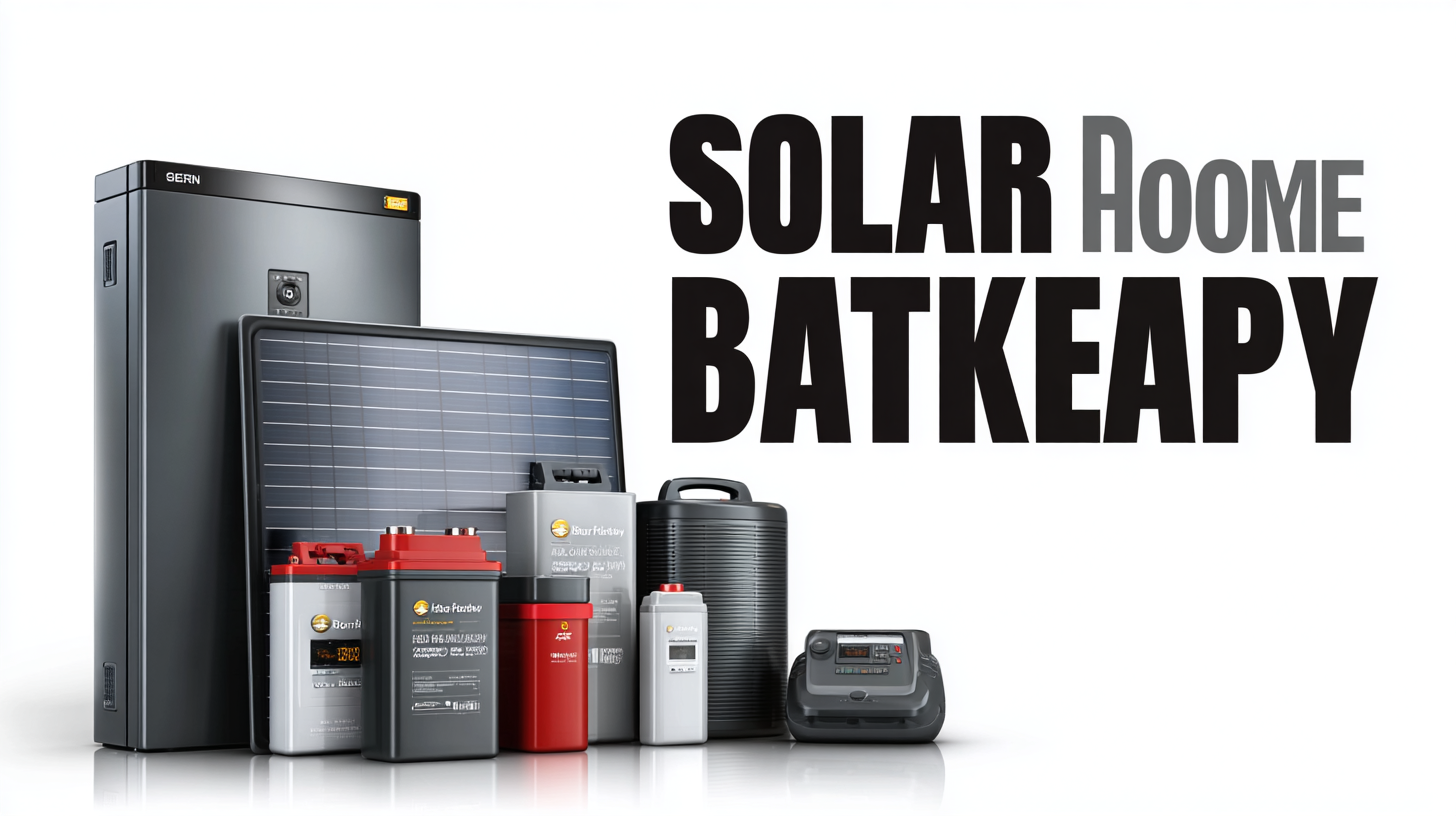
So, when you’re thinking about picking a solar battery backup system for your home, it’s super important to get a grip on how long those batteries are gonna last and what their warranty looks like. I mean, a longer lifespan usually means you won’t have to swap them out as often, which is great for making sure your investment really shines over the years. Most top brands out there offer warranties that can last anywhere from just a few years to as long as ten, giving you a nice little safety net about how well the battery’ll perform in the long run. But don’t forget to dive into the details of these warranties! Factors like capacity retention and what’s covered in case something goes wrong can really differ from one brand to another.
Take electric vehicle batteries, for example. Some brands will straight-up promise a full replacement if the battery’s health dips below a certain percentage within a specific timeframe. That kind of guarantee definitely shows they care about quality and keeping their customers happy. The same goes for solar batteries—keep an eye out for warranties that offer good coverage, because this could really sway your decision. After all, you want a system that not only provides the energy you need but does it reliably for years to come. Making a smart choice can really help lessen any risks tied to battery performance and lead you to a sustainable energy solution for your home.
Cost Comparison: Finding the Best Budget-Friendly Solar Batteries
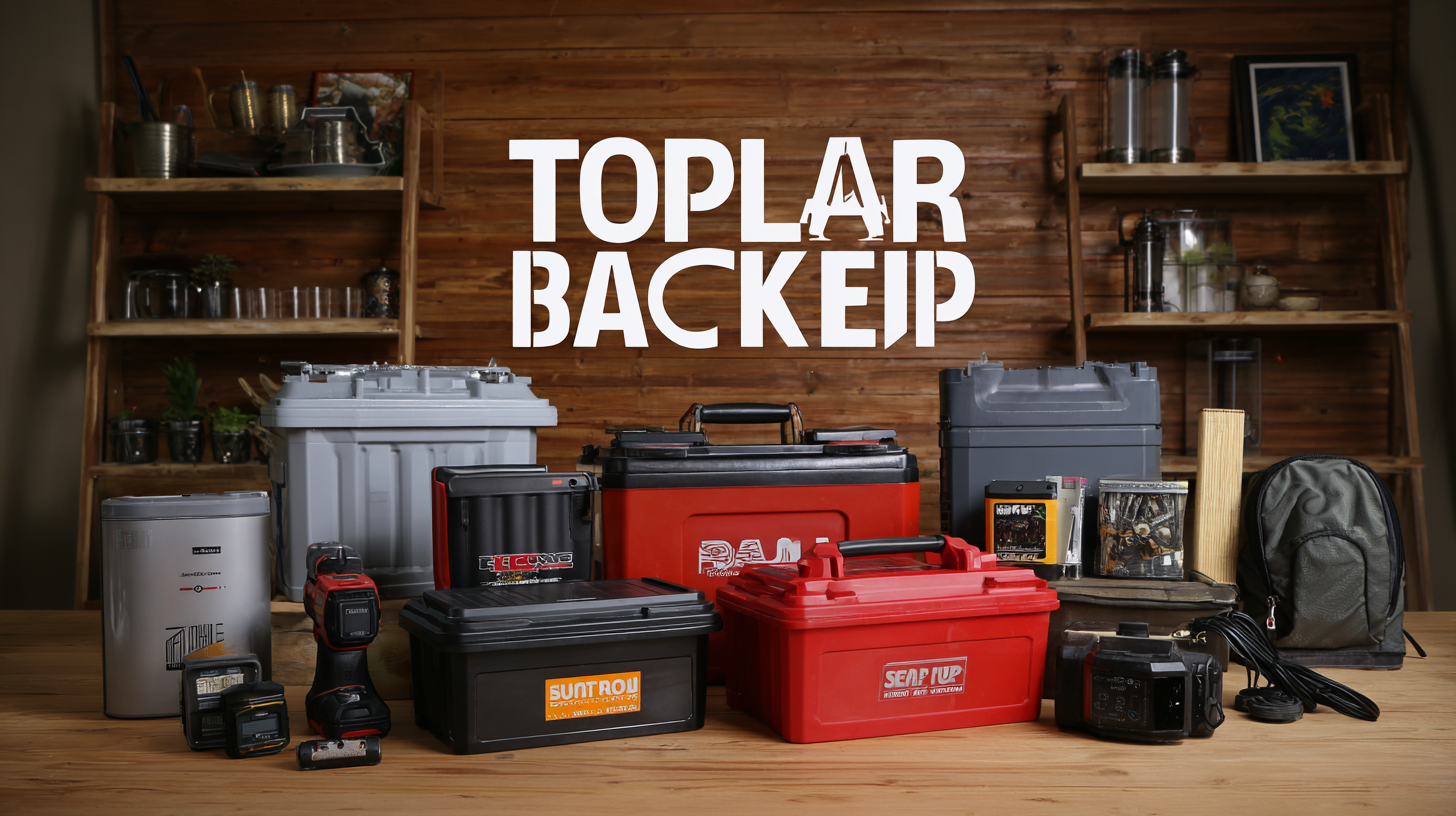 When considering a solar battery home backup system, cost is often a primary concern for homeowners looking to maximize their investment while ensuring energy independence. A thorough cost comparison of solar batteries can help identify budget-friendly options that do not compromise on quality or performance. The initial price tag of a solar battery system is just one factor; it’s crucial to also evaluate the longevity, efficiency, and warranty offerings from different manufacturers.
Additionally, understanding the total cost of ownership, which includes installation and maintenance, can provide more clarity on budget constraints. Some brands offer competitive pricing and great financing options, making solar batteries more accessible to those on a tighter budget. Comparing specifications, such as capacity, discharge rates, and cycle life, can uncover hidden costs or savings that are essential for making an informed decision. Overall, exploring various products and pricing will empower you to find a solar battery system that aligns with your financial goals while effectively powering your home during outages.
The Role of Brand Reputation in Choosing Quality Solar Products
So, when you’re thinking about picking out a solar battery backup system for your home, one of the biggest things you really need to check out is the brand’s reputation. You know, a solid brand usually means you’re getting something reliable, high-quality, and they tend to have decent customer support, too. Companies that have been around the block in the solar game often have a track record you can trust, plus they’ve had time to really fine-tune their products. It’s all about that experience—they’ve tested and improved their stuff over the years. It’s like they’re really committed to research and making their technology better, which means their batteries often last longer and work more efficiently.
And hey, let’s talk about trust. When a brand interacts with its customers, listens to feedback, and keeps everything open and transparent about how they make their products, it goes a long way. People tend to feel more secure buying from brands they know are engaged and responsible. Plus, a good brand is usually willing to back up their products with warranties and decent customer service, which is a huge relief when you’re investing in something as significant as solar tech. So, if you focus on choosing brands that have a good rep, you’ll likely end up with a solid solar backup system that really meets your energy needs. It just makes sense, right?