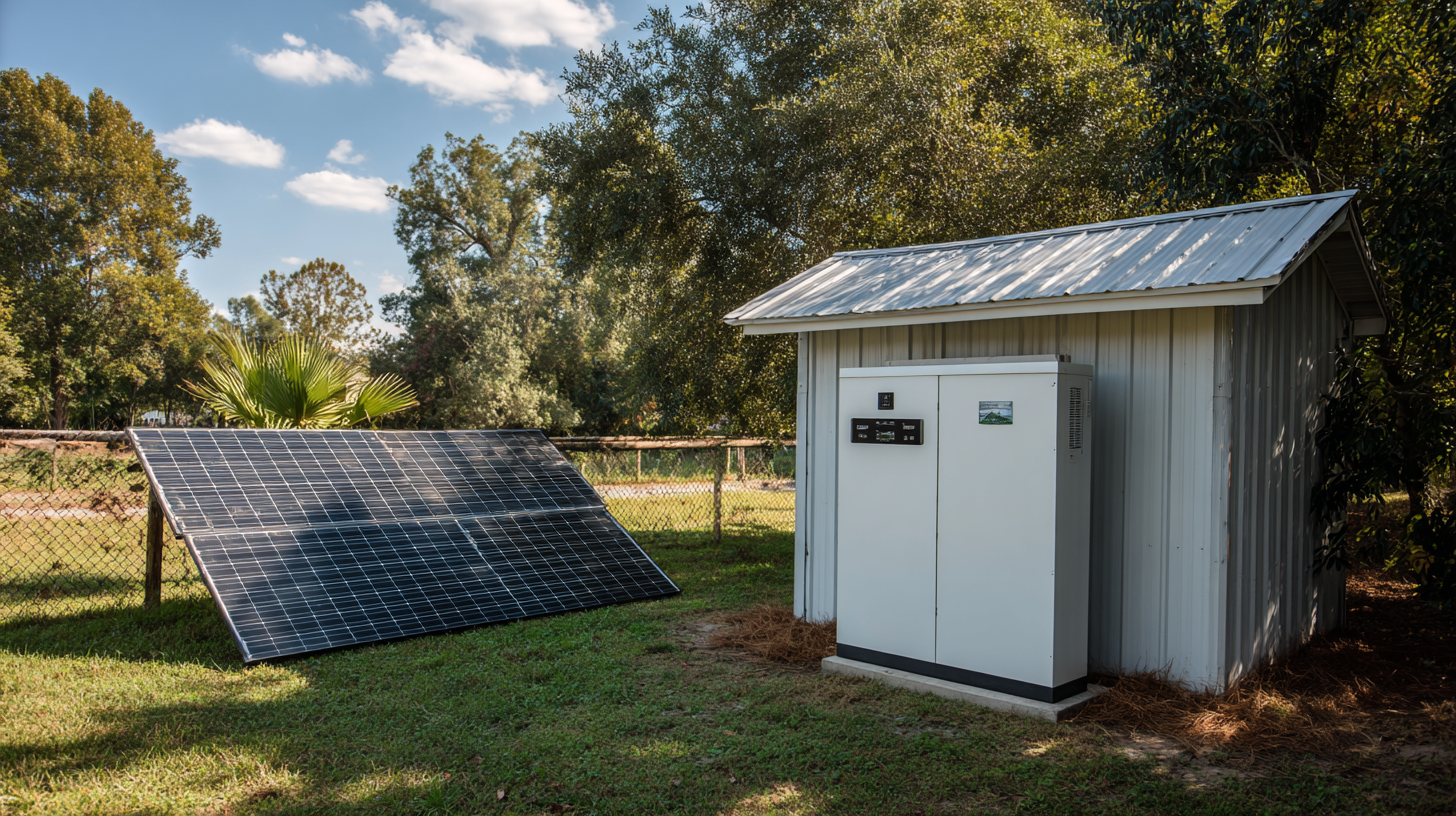
Lately, there's been such a big jump in people wanting to go for renewable energy options, especially solar power. It’s pretty clear that solar is really leading the way when it comes to sustainable energy. I saw a recent report from the International Energy Agency (IEA) that predicts solar capacity will more than quintuple by 2025 — no kidding! With more homeowners trying to become a bit more energy-independent and cut down on their utility bills, picking the right solar battery for their homes has become super important. One company that’s really making waves in this space is LONG WAY Battery (that’s Kaiying Power & Electric Co., Ltd., by the way). They've been around since 2000 and offer high-quality lead-acid batteries, ranging from tiny 0.8AH to a hefty 3000AH. They’ve got a bunch of options to suit different energy needs, so if you’re looking to store solar power efficiently, they’re definitely a name to keep in mind.
Understanding Your Home Energy Requirements
When you're thinking about getting a solar Power Battery for your home, the first thing you really want to do is get a good handle on your energy needs. I mean, start by looking at your average daily energy use—go through your utility bills and see if you notice any patterns or times when you’re really consuming the most power. This little quick check can give you a pretty solid idea of how much energy your household typically uses, so you can pick a battery that actually covers that. Oh, and keep in mind—different appliances and systems in your house have varying energy demands, so knowing these details will help you choose the right size for your battery without ending up with something too small or way too big.
Then, think about what you’re really aiming for. Do you want to be completely off the grid someday, or are you just looking for something to back you up during power outages? Your goals will definitely influence not just the size of the battery, but also its type and features. Like, if you want to keep running your big appliances during blackouts, you’ll probably need a larger capacity battery. Also, consider how long you want the battery to hold up when there’s not much sunlight around. By matching your battery choice to what you actually need, you’ll end up with a home energy setup that’s both reliable and efficient—kind of like a custom fit for your lifestyle.
Types of Solar Power Batteries and Their Features
When you're picking out a solar battery for your home, it’s pretty important to get a good sense of the different types out there and what makes each one special. Usually, you’ll hear about lithium-ion and lead-acid batteries — they’re the most common. 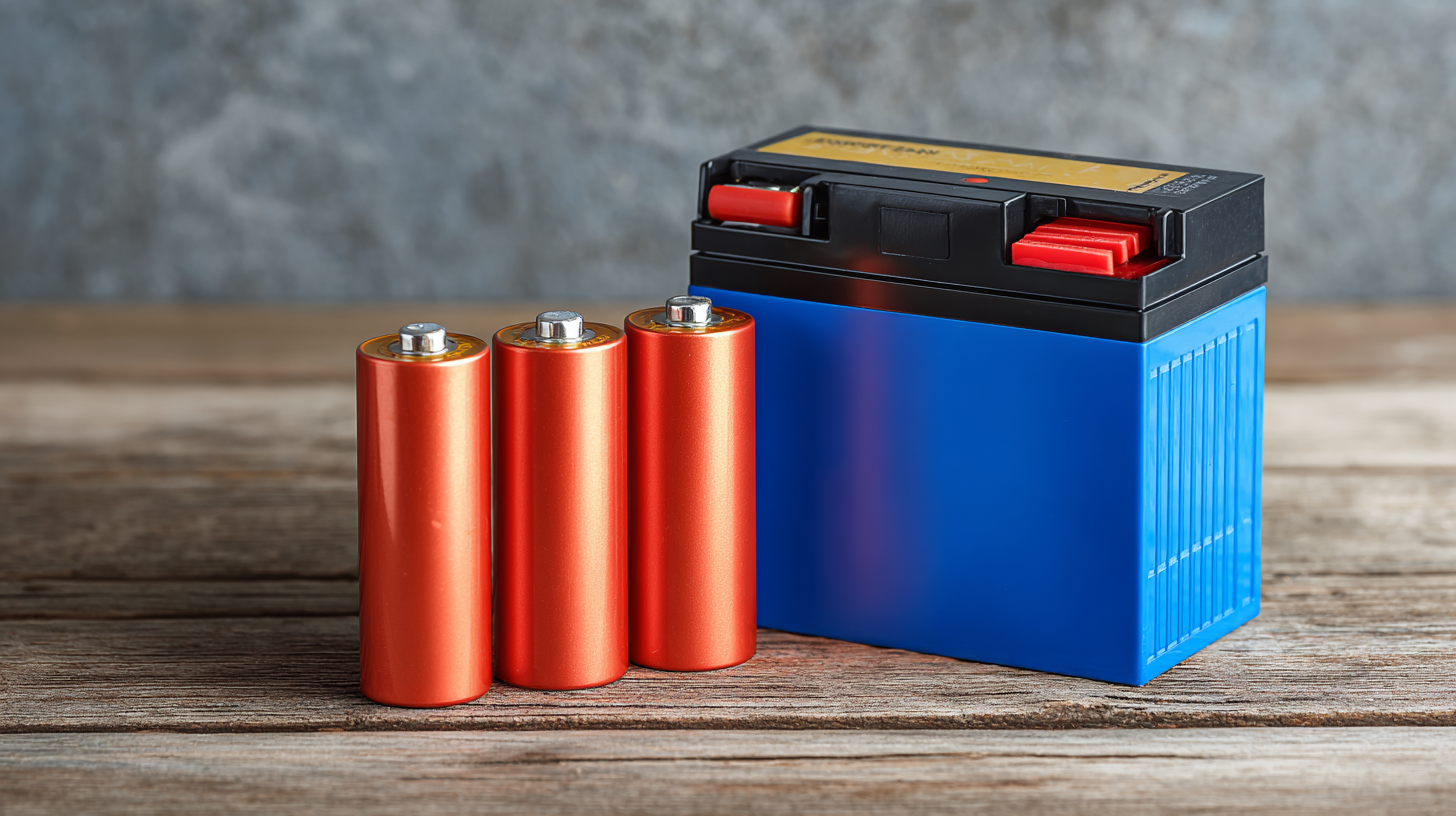 Lithium-ion batteries are pretty popular these days because they’re efficient, last a long time, and don’t need as much maintenance. That makes them a favorite among folks who want something reliable for the long haul. On the flip side, lead-acid batteries tend to be lighter on the wallet upfront, but they might not last as long and could need replacing more often.
Also, don’t forget to check the capacity and how much of the stored energy you can actually use — that’s called the depth of discharge. Bigger capacity batteries can hold more energy, which is great if you want a solid backup during power outages. And if you go for a higher depth of discharge, you’re able to tap into more of what’s stored, so that’s a plus.
Plus, with smart tech now in the mix, managing your energy gets a lot easier. These systems help you keep track of how much juice you’re using and adjust things based on your household’s needs.
Bottom line? If you get a good grasp of these features, you’ll be better equipped to choose the right solar battery that fits your energy needs and budget — no stress, just making smarter choices for your home.
Evaluating Battery Capacity and Storage Needs
When you're figuring out the battery capacity and storage needs for a solar power setup, it’s really important to think about how much energy your household actually uses. I mean, according to a report from the National Renewable Energy Laboratory (NREL), the average home in the U.S. uses about 30 kWhevery single day. So, if you wanna keep the power on pretty much all the time, your Solar Batteries need to be big enough to store at least that much energy. Plus, if you wanna have a bit of a buffer—say, during cloudy days or when solar generation isn’t enough—you might want batteries with a larger capacity to give you longer autonomy. Basically,size matters!
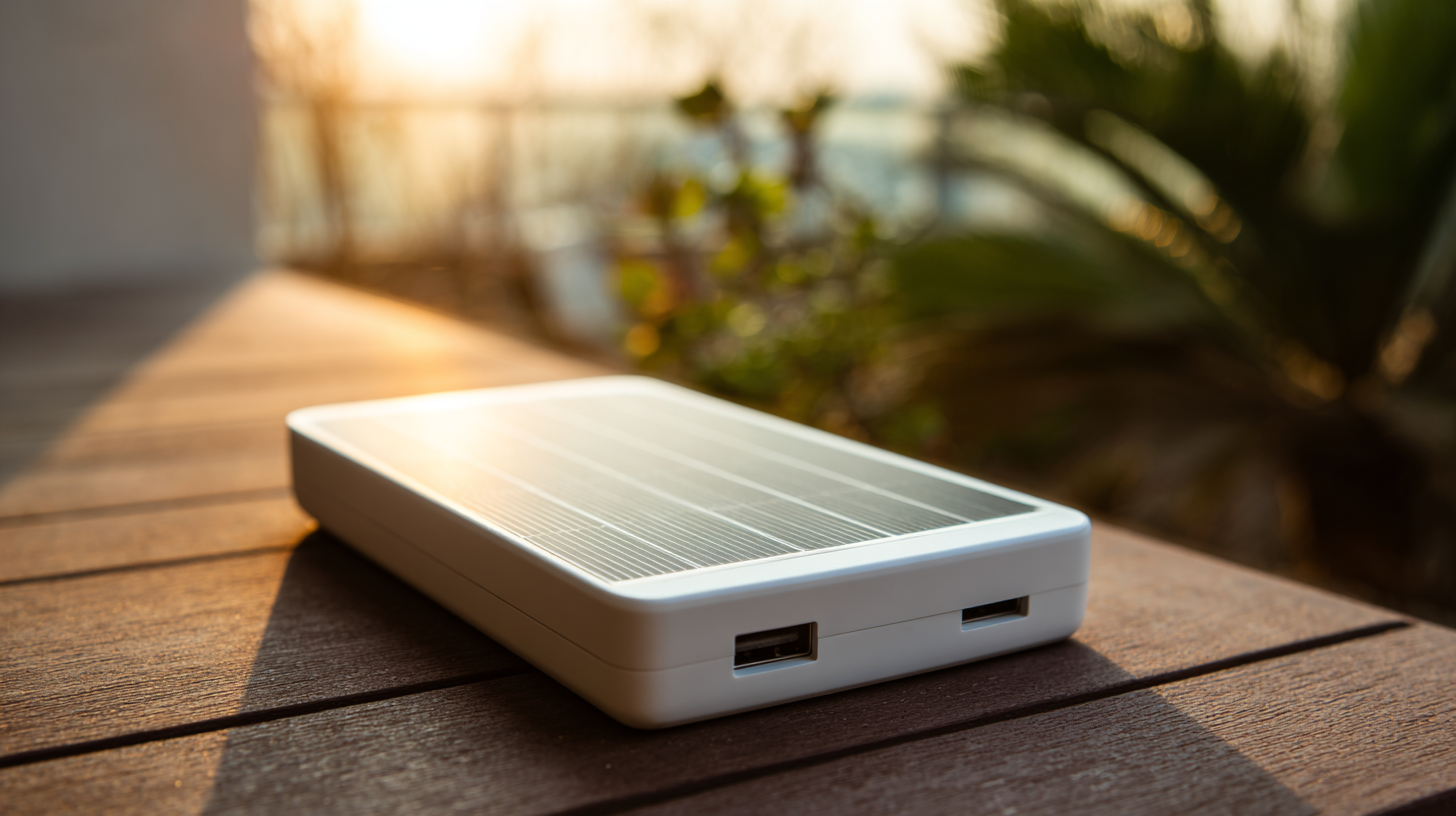
Now, companies like LONG WAY Battery from Kaiying Power & Electric Co., Ltd. are experts when it comes to lead-acid batteries that fit all kinds of storage needs. They’ve got a pretty wide range of products—voltages from 2V up to 24V, and capacities anywhere from 0.8AH all the way to 3000AH. That means homeowners like you can pick exactly what suits your energy habits.
For example, a solid solar setup might need a battery system that doesn’t just cover your daily use but also has extra capacity for those peak times or power outages. Picking the right batteries really impacts how efficient and reliable your entire solar system will be. So, making informed choices based on your personal energy needs and what these batteries can do is key for a more sustainable and worry-free future.
Assessing Battery Lifespan and Warranty Options
When you're shopping for a solar battery to power up your home, one of the most important things to keep in mind is how long it’ll last and what kind of warranty you’re getting. Basically, a battery’s lifespan is measured in cycles—meaning, how many times you can fully charge and drain it before its capacity starts to drop. For peace of mind, it’s smart to look for batteries that can handle at least 5,000 cycles or even more. That way, you’re probably looking at several years of reliable energy.
Quick tip: Pay special attention to the depth of discharge (or DoD) rating. It tells you how much of the battery’s total capacity you can use safely. A higher DoD generally means you’ll get more usable power out of it, which can really make a difference over time.
Plus, don’t forget about the warranty—this is your safety net. A good warranty will typically cover a decent number of cycles and last anywhere from five to fifteen years, depending on the brand.
Here’s another tip: don’t just glance at how long the warranty lasts—read the fine print. Some warranties only cover manufacturing defects, while others might also protect you if the battery’s performance drops over the years. So, pick one that really gives you confidence that your investment will stay reliable down the line.
Comparing Costs and Benefits of Different Batteries
So, if you're thinking about getting a solar battery for your home, it’s really important to get a good grasp of the different costs and benefits of each type out there. For example, lithium-ion batteries are super popular because they’re efficient and tend to last a long time. But, honestly, they do raise some environmental eyebrows, especially when you look at how they're made and recycled. Doing a life cycle assessment—or LCA—can be a real eye-opener here, showing you the carbon footprint from start to finish, from manufacturing all the way to disposal. It helps you figure out whether the upfront cost of lithium-ion batteries is worth it, considering their environmental impact.
On top of that, the whole economics of Battery Storage are changing fast—mainly because of how quickly EV technology is advancing. Charging your electric car at home often ends up being cheaper than filling up a traditional gas tank, which makes these batteries pretty attractive for folks trying to cut down on energy bills.
But, I gotta say, with the surge in lithium-ion battery demand, it’s more important than ever to focus on recycling methods to prevent waste and environmental harm. By understanding both the costs and the environmental side of things, homeowners can make smarter choices—not just to power their homes but also to do their part for our planet’s future.
Installation and Maintenance Considerations for Solar Batteries
Thinking about installing a solar battery? Well, there are a few things you’ll want to keep in mind. First off, it’s important to check if the battery system plays nicely with your existing solar setup — not all setups are the same, after all. And don’t forget to consider the space where you plan to install it. A quick, thorough site check is a must because batteries need good ventilation and should ideally be kept in a cool, controlled environment to work their best and last longer. If you’re going big with a hefty battery system, you should probably have a chat with a licensed electrician to make sure your home’s electrical system can handle the extra load without any issues.
On top of that, maintenance is a key part of owning a solar battery. You’ll want to do regular check-ups — tighten any loose connections, look out for signs of corrosion, and keep an eye on the battery’s overall health. Depending on what type of battery you choose — like lithium-ion or lead-acid — the maintenance routines can differ. For example, lithium-ion batteries tend to be lower maintenance, whereas lead-acid ones might need occasional watering and balancing charges. Understanding these little differences helps you pick a system that not only fits your energy needs but also aligns with how much upkeep you’re willing to do down the line.
How to Choose the Best Solar Power Battery for Your Home Energy Needs
| Battery Type | Capacity (kWh) | Cycle Life | Warranty (Years) | Efficiency (%) | Cost Estimate ($) |
| Lithium-ion | 10 | 3000 | 10 | 90 | 800 |
| Lead-acid | 8 | 1500 | 5 | 80 | 200 |
| Nickel-based | 5 | 2000 | 7 | 85 | 600 |
| Flow Battery | 20 | 5000 | 10 | 75 | 1200 |
| Gel Batteries | 6 | 1200 | 5 | 70 | 250 |
FAQS
: You can determine your average daily energy consumption by reviewing your utility bills to identify patterns and peak usage times.
Consider whether you want to go completely off-grid or just have a supplementary power source during outages, as this will affect the size, type, and features of the battery you need.
A typical home in the U.S. consumes around 30 kilowatt-hours (kWh) per day.
The battery capacity needed depends on your daily energy consumption, peak load requirements, and how long you want the battery to last during low sunlight periods.
It’s essential to evaluate compatibility with your current solar setup, physical space for installation, ventilation, and whether your electrical infrastructure can support the additional load.
Regular inspections are necessary, and depending on the battery type, you may need different maintenance protocols to ensure optimal performance and longevity.
Lead-acid batteries may require periodic watering and equalization charges, whereas lithium-ion batteries typically require less maintenance.
Understanding battery specifications helps you select a system that aligns with your energy needs and ensures efficiency and reliability in your solar energy system.
You should consider storage for daily energy usage, additional capacity for peak loads, and backup for outages to ensure continuous power supply.
Yes, consulting a licensed electrician is recommended to ensure your home’s electrical infrastructure can support the additional load of a large battery system.
Conclusion
Picking the right solar power battery for your home isn't just about numbers—it's really about understanding what your household actually needs. Start by taking a good look at how much energy you use daily and figure out what capacity will give you a reliable, steady power supply. It helps to get familiar with the different types of solar batteries out there, like lead-acid and lithium-ion—each has its own quirks, such as how long they last, how deep you can discharge them, and what kind of maintenance they require.
When you're comparing options, don’t forget to check out their lifespan and warranty—that stuff can make a big difference when you’re investing long-term. It’s also smart to weigh the costs versus the benefits so you can find something that’s both budget-friendly and meets your energy needs. Lastly, plan ahead for installation and upkeep to get the most out of your battery and make sure it runs smoothly for years to come.
At LONG WAY Battery, we’ve got a diverse selection of top-quality lead-acid batteries that fit a bunch of different needs and are perfect for making your solar system work even better. We're here to help you find the right fit for your home energy setup.