When you're thinking about a **100kw Solar System With Battery**, it's always good to hear what experts like John Smith from Solar Innovations Inc. have to say. He mentions that, "Picking the right system can really make a big difference in how efficient your energy usage is." Honestly, his point just underlines how important it is to be well-informed when investing in solar setups.
A 100kw Solar System with Battery isn’t just some fancy gadget — it can seriously empower your home or business by providing a clean, sustainable energy source. Adding a battery makes things even better, boosting reliability and helping save on energy bills. But, fair warning, figuring out which system fits best isn’t exactly straightforward. Things like how much energy you need, the space you have for installation, and even local laws can all make a big difference.
A lot of folks looking into these systems tend to overlook some key stuff — like ongoing maintenance and whether the system will actually stand the test of time. It’s really worth taking the time to compare different providers, because not all solar setups perform equally well. Your choice could totally make or break your long-term energy plan. So, do your homework, gather reliable info, and chat with the experts — this way, you’ll be much more likely to get the most out of your 100kw Solar System with Battery.
Understanding the Basics of a 100kw Solar System
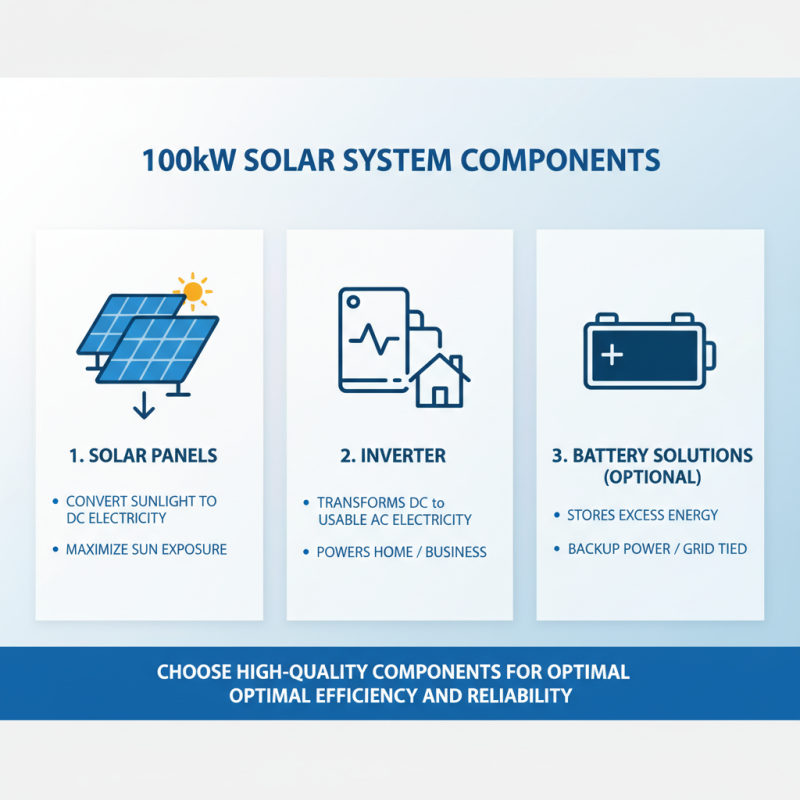
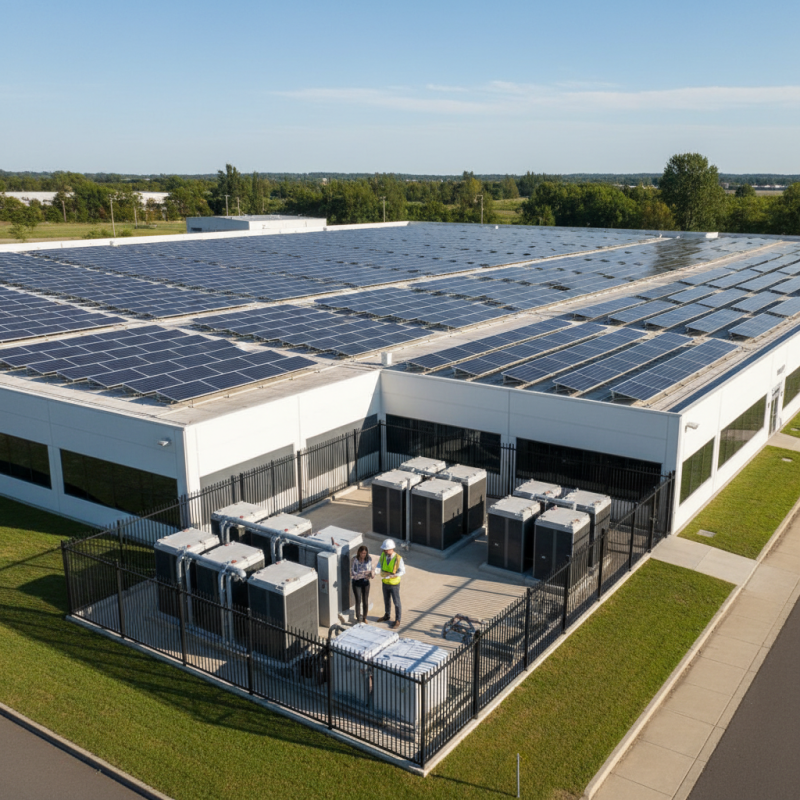
When considering a 100kw solar system, it's essential to understand its components. This system primarily includes solar panels, inverters, and battery solutions. Solar panels convert sunlight into electricity. They are placed in areas with maximum sunlight exposure for optimal efficiency. The inverter then transforms this electricity into a usable form for your home or business. Choosing high-quality components can make a difference.
Battery Storage is a critical aspect. A reliable100kw Battery Storage system allows excess energy to be saved for later use. This is especially useful during cloudy days or at night. Evaluate the capacity and lifespan of the batteries. Some options may not last as long as advertised. It's important to remember that the efficiency of battery systems can fluctuate.
Installation is another factor to ponder. Proper installation ensures maximum energy capture and efficiency. Poorly installed systems may lead to energy loss. Additionally, consider local regulations. They can impact the installation process and costs. Each step of this journey requires careful thought and consideration.
Key Benefits of Integrating Battery Solutions with Solar Systems
Integrating battery solutions with a Solar Panel And Battery System offers several key benefits. One major advantage is energy independence. By storing excess energy generated during sunny days, households can rely less on the grid. This flexibility is crucial, especially during power outages.
Another benefit is cost savings. A well-sized battery can help manage energy use better. Instead of drawing power during peak hours when rates are high, home owners can use stored energy. This can significantly reduce electricity bills over time. However, it's essential to carefully consider the initial investment for a solar panel and battery system.
There are also environmental benefits. Batteries can maximize the use of clean solar energy. But not All Batteries are created equal. Some may have a limited lifespan and can be less efficient. It's crucial to evaluate different options thoroughly. Not all systems will perform optimally in every situation. Choosing the right solar panel and battery system requiresthoughtful consideration and research.
Factors to Consider When Choosing a 100kw Solar System
When considering a 100kw solar system, a few key factors play a major role. Start with your energy needs. Analyze your current and future electricity usage. Look at your bill for a year. Evaluate peak usage times. This will help you size your system accurately. If you anticipate growth, plan accordingly.
Understanding your local climate is also crucial. Sunlight exposure varies widely by region. A system that works well in one area may not in another. Check local solar resources. Weather patterns can influence efficiency, especially during cloudy days.
Finally, consider battery storage. A Solar Battery Backup System can prevent energy waste. This adds cost but ensures reliability.
Don’t forget about maintenance and installation. Research installer credentials. Not all installers provide the same level of service. An experienced installer can save you headaches in the long run. Reflect on these factors carefully. A poor decision can impact your energy independence for years.
Evaluating Battery Storage Options for Your Solar Setup
When considering a 100kw solar system, battery storage options become crucial. A good battery can optimize energy use and enhance efficiency. Look for batteries that offer a balance between capacity and lifespan. Some batteries charge quickly but may degrade faster. Others last longer but take time to charge. It’s a trade-off worth pondering.
Evaluate the energy needs of your household. How much power do you consume daily? This information helps in choosing a suitable battery. Some people overlook this step, leading to poor energy management. Make sure the battery aligns with your power consumption patterns. Also, assess available space for installation. Some battery types require more room than others.
Don’t forget about the cost factor. Battery prices vary significantly based on type and capacity. Explore financing options that suit your budget. A cheap battery might seem tempting, but reliability is key. Sometimes, investing a bit more upfront pays off later. Be ready to compare and reflect on your choices before making a decision.
Comparing Different Types of Solar Panels and Batteries
When evaluating solar panel types, efficiency is crucial. Monocrystalline panels generally outperform others. They convert about 20% of sunlight into electricity. This is higher than polycrystalline, which averages around 15-18%. The efficiency impacts your energy yield, especially in limited space. However, monocrystalline panels usually come at a higher cost. This can be a barrier for some homeowners.
Battery storage choices have significant implications too. Lithium-ion batteries dominate the market. They offer high efficiency and longer lifespans. Studies indicate that lithium-ion batteries can last up to 15 years. In contrast, lead-acid batteries may only last 3-5 years and offer lower efficiency. This difference is vital when choosing a Solar Battery Backup System For Home use.
Some features seem appealing, yet they might not fit every home. Factors like size, budget, and energy needs play a role. Not all homes have the same consumption patterns. Relying only on marketing claims can be misleading. Understanding your unique requirements is essential to make the best choice.
Installation Considerations for a 100kw Solar System
When considering the installation of a 100kW solar system, various factors come into play. Location is essential. Solar energy production depends heavily on sunlight availability. According to the National Renewable Energy Laboratory, optimal locations can increase output by 30%. Ensure your site gets ample sunlight throughout the year.
Space requirements are another consideration. A 100kW system typically requires around 500-600 square meters of roof or ground space. Conduct a thorough analysis of your property to avoid complications during installation. Understand that shading from trees or buildings can severely reduce efficiency, sometimes by as much as 50%.
Tips: Choose a location with minimal obstructions. This can maximize energy capture.
Battery solutions are integral for energy storage. High-capacity batteries ensure power availability during outages. However, technology varies widely. It's crucial to assess your energy needs before selecting a battery system. Some systems may require upgrades to accommodate additional loads. Always consult a professional to discuss your specific requirements.
Tips: Evaluate your peak energy usage. It helps in selecting the right battery capacity.
Cost Analysis and Return on Investment for Solar with Batteries
When considering a 100kW solar system paired with battery solutions, cost analysis is crucial. According to the National Renewable Energy Laboratory (NREL), the average installation cost for solar systems ranges from $2.50 to $3.50 per watt. For a 100kW system, this translates to an investment of $250,000 to $350,000 before applying any incentives. Adding battery storage, typically costing between $500 to $700 per kWh, can significantly increase the total upfront costs. A system with a 200 kWh battery could push the total cost above $500,000.
However, understanding the return on investment (ROI) is essential for making informed decisions. Data from the Solar Energy Industries Association (SEIA) indicates that solar installations can yield an ROI of 20% or more over 20 years. Factors affecting ROI include local energy rates, available tax credits, and net metering policies. The payback period for solar systems can range from 5 to 8 years, depending on these variables. Still, some users may experience longer wait times, particularly if local incentives are limited.
Interest in energy independence is growing. Yet, customers often underestimate system degradation over time. Solar panels can lose efficiency, averaging about 0.5% per year. Therefore, calculating precise long-term savings requires a keen eye on maintenance and performance. Initially, energy costs may appear lower, but fluctuations in energy prices can create uncertainties in future savings.
FAQS
: The article aims to inform readers on specific topics. It provides insights and tips.
Start by setting small, achievable goals. Focus on one task at a time.
Fear of failure is a major barrier. Lack of motivation can also hold you back.
Self-reflection helps you understand your actions. It can lead to personal improvement.
Practice mindfulness techniques like breathing exercises. Break tasks into smaller steps.
Constructive feedback is essential. It helps identify areas needing improvement.
Be specific about what you want. Make sure your goals are measurable and realistic.
Yes, but it takes time and persistence. Start small and gradually build up.
A supportive environment encourages growth. Toxic environments can hinder progress.
Conclusion
Choosing a 100kw Solar System With Battery Solutions involves understanding the fundamentals of solar energy and the significant advantages that battery integration provides. Utilizing a 100kw system can lead to energy independence and cost savings, especially in areas with unreliable grid power. Key factors to consider while selecting this system include your energy needs, space availability, and budget constraints.
When evaluating battery storage options, it's important to compare different types of batteries and solar panels to ensure compatibility and efficiency in your energy setup. Additionally, considering installation requirements and conducting a thorough cost analysis can help you assess the return on investment for your solar system. Ultimately, a well-planned 100kw Solar System With Battery can enhance energy management and provide sustainable benefits for years to come.