Finding the right SLA battery can actually be pretty tricky. With so many options out there, it’s no wonder folks get overwhelmed! I’ve put together this guide to make things easier for you, especially as we look ahead to 2026.
Now, keep in mind, different situations call for different batteries. Some folks really care about how long a battery lasts, while others might need one that charges super quickly. Brands like Yuasa and Optima are definitely worth considering—they have some solid choices. But, not every Sla Battery out there is a home run. Some just don’t perform as well when you really push them in demanding situations.
It’s super important to do your homework before purchasing. Think about things like capacity, size, and how durable the battery is. And remember, what works great for one person might not be ideal for someone else. Take a moment to reflect on your specific needs. This guide should help you find the perfect SLA battery that fits you best—making your life a little easier and a lot simpler.

2026 SLA Battery Overview: Features and Benefits
SLA batteries, or Sealed Lead Acid batteries, offer robust performance for a variety of applications. They are a popular choice in thebackup power sector, particularly for uninterruptible power supplies (UPS). According to industry research, the SLA battery market is projected to reach $9.7 billion by 2026. This growth highlights their crucial role in energy storage solutions.
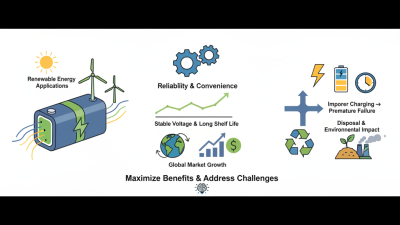
One key feature of SLA batteries is their maintenance-free design, which translates to less hassle for users. They operate well in cooler temperatures, reaching up to 3-5 years of cycle life. However, their weight can be a drawback for portable applications. Users often report difficulty when moving larger models. Deep cycle capabilities are another benefit, making them suitable for renewable energy setups like solar panels.
Despite their advantages, some challenges persist. Battery performance can degrade faster under extreme temperatures. Users often overlook this factor, leading to diminished efficiency. Quality control issues occasionally arise during manufacturing. While many SLA batteries perform well, variations can impact reliability. Assessing these factors is essential when choosing the right battery for your needs.
Top 5 SLA Battery Types for Diverse Applications in 2026
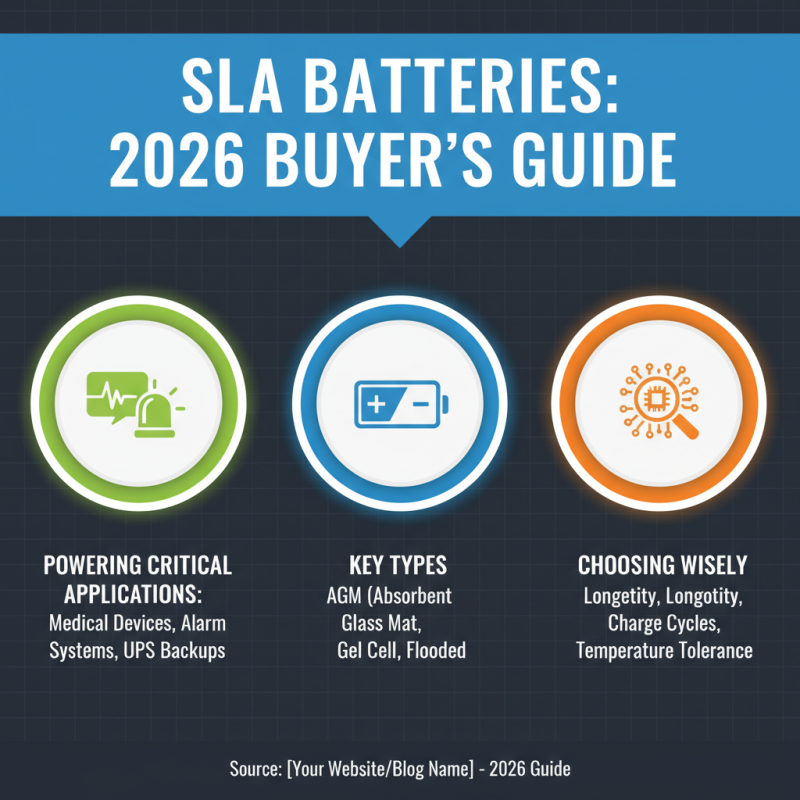
In 2026, finding the best sealed lead acid (SLA) battery for your needs is crucial. These batteries power various applications, from medical devices to alarm systems. Understanding the key types available will help you make an informed choice.
For instance, gel batteries are well-known for their versatility and safety. They excel in deep discharge situations. Meanwhile, absorbed glass mat (AGM) batteries offer superior resistance to vibrations and spills. This makes them ideal for demanding environments. Flooded SLA batteries are another option, though they require more maintenance. They are less common in modern applications.
**Tip:** Always assess the space you have available. Some batteries are bulkier than others. Verify the dimensions before making a purchase.
Lithium sulfide batteries are also gaining traction, known for their longer lifespan and lighter weight. However, they can be more expensive upfront. It's essential to consider your budget and long-term usage expectations.
**Tip:** Balance performance and cost. Cheaper batteries might seem appealing, but they often fall short in reliability. Take your time to weigh all factors.
Key Specifications to Consider for SLA Battery Selection
Choosing the right SLA battery can be challenging. Key specifications are crucial for making an informed decision. Start by considering the battery's capacity, which is measured in amp-hours (Ah). This rating indicates how long the battery can power your device. Higher capacity means longer usage but also adds weight.
Next, think about the discharge rate. It affects how quickly the battery releases energy. A high discharge rate is vital for devices that need bursts of power. On the other hand, a lower rate suits applications requiring steady energy.
Additionally, consider the physical dimensions. Ensure the battery fits your device. For example, a compact model may suit smaller gadgets, while larger units are ideal for more extensive equipment. Finally, reflect on the weight. Heavier batteries may offer more power but can be cumbersome. Balancing these factors is essential for optimal performance. It’s a complex decision that deserves time and thought.
2026 Best SLA Battery Options for Your Needs
| Battery Type | Voltage (V) | Capacity (Ah) | Dimensions (LxWxH mm) | Weight (kg) | Cycle Life (Times) |
| AGM | 12 | 50 | 228 x 138 x 220 | 17.5 | 800 |
| Gel | 6 | 100 | 302 x 169 x 211 | 30.0 | 1000 |
| Advanced AGM | 12 | 75 | 260 x 166 x 212 | 22.5 | 900 |
| Flooded Lead Acid | 12 | 60 | 250 x 180 x 210 | 24.0 | 400 |
| Sealed Lead Acid | 12 | 20 | 181 x 77 x 167 | 6.5 | 300 |
Comparative Analysis of Leading SLA Battery Brands in 2026
In 2026, the market for SLA batteries offers a range of options tailored to diverse needs. A recent report indicated that Sla Agm Battery demand increased by 15% compared to the previous year. This growth reflects the rise in applications such as renewable energy storage and backup power systems. However, consumers should be cautious. Not all manufacturers provide clear performance metrics.
When analyzing leading brands, a key factor is battery lifecycle. Many SLA AGM batteries claim 500-1000 charge cycles. Yet, real-world data suggest a significant number only reach 400 cycles under demanding conditions. Users must assess their actual usage against these claims. Additionally, weight and physical dimensions often affect installation ease. A report revealed that 30% of users experience difficulties due to size constraints, which can hinder effective deployment.
Price is another critical consideration. The average cost of SLA AGM batteries has seen fluctuations, influenced by raw material prices. While one brand may offer lower upfront costs, longevity is imperative. A study highlighted that a slightly higher initial investment often pays off through reduced replacement frequency. Consumers should weigh short-term savings against long-term benefits to make an informed decision.
Longevity and Performance: SLA Battery Lifespan Insights
When considering SLA batteries, understanding their lifespan is critical. Many factors affect this, including usage and temperature. Typically, SLA batteries can last between three to five years. However, performance often declines as they age. Regular maintenance can help, but not all users are diligent.
One way to ensure longevity is through a proper charging routine. Overcharging and deep discharging can shorten battery life significantly. Users should be aware of the charging cycles. Employing a Sla Battery Load Tester can help in monitoring performance. This device provides insights into how much capacity remains. Neglecting these aspects may lead to unexpected failures.
Another concern is temperature. Extreme heat or cold can adversely affect SLA battery efficiency. Keeping batteries in a controlled environment is ideal, yet that isn’t always practical. Some users experience performance issues simply due to poor storage conditions. It’s essential to reflect on the environment where batteries are kept. With the right tools and awareness, users can improve battery lifespan and reliability.
Cost Analysis: Value Assessment of SLA Batteries in 2026
When evaluating the cost of Battery Type Sla in 2026, it’s essential to consider various factors. These batteries offer reliable power, but their prices can vary significantly. For many users, understanding the life cycle cost is crucial. Lower upfront costs can be tempting, but maintenance and replacement expenses add up.
Investing in SLA batteries means more than just the purchase price. Consider factors like energy efficiency and lifespan. A cheaper battery might need replacements sooner, leading to higher overall costs. Some batteries lose performance over time, making it vital to assess long-term value. It’s also important to think about environmental impacts.
Performance can sometimes falter, revealing flaws in initial assessments. Users may find that their chosen battery doesn't meet energy demands. This can lead to unexpected additional expenses. Exploring alternatives could open doors to better options. Reflecting on these elements helps in making an informed decision for your needs.
Environmental Considerations and Recycling Options for SLA Batteries
SLA batteries, or sealed lead-acid batteries, play a vital role in various applications. Understanding their environmental impact is crucial. In 2020, around 1.5 million tons of lead-acid batteries were discarded globally. Unfortunately, only 53% of these batteries were recycled effectively, according to the International Lead Association. This means a significant amount of lead and acid can contaminate the soil and water if not handled properly.
Recycling options for SLA batteries exist, but awareness is still lacking. Many consumers do not know where to drop off old batteries. Some recycling centers accept batteries free of charge, while others charge a small fee. It is essential to educate users about proper disposal methods. Also, ensuring battery manufacturers adopt sustainable practices can help improve the recycling rate. Upon replacing old batteries, always consider where to Charge Sla Battery responsibly.
Moreover, the energy density of SLA batteries contributes to their popularity. However, the environmental costs must not be overlooked. Failing to recycle SLA batteries can result in hazardous waste. Research from the Battery Council International shows that for every ton of lead recycled, over five tons of carbon dioxide emissions are avoided. A growing number of organizations emphasize the need for better recycling solutions to mitigate these issues. Efforts must focus on both consumer education and industry responsibility.
FAQS
: The articles focus on understanding specific topics in a clear, concise manner.
Engage with each topic; ask questions if unclear. Take notes while reading for better retention.
Re-read the section. Look for examples. Discuss it with others to gain different perspectives.
Regular reviews help. Try revisiting the content weekly to reinforce knowledge.
Yes, visual aids and summarizing can be helpful. Experiment with different methods.
Definitely. Analyze errors. Reflect on them to avoid repeating in the future.
Create flashcards. Practice retrieval techniques to strengthen memory.
Yes, breaks prevent burnout. They can help refresh your mind for better focus.
Connect concepts to personal experiences. Relating ideas makes them more memorable.
Set small goals. Reward yourself for completing sections. Remember why you started.
Conclusion
In 2026, selecting the right SLA battery involves understanding its unique features and benefits, including reliability and versatility across various applications. The article highlights the top five types of SLA batteries suited for different needs, shedding light on key specifications to ensure an effective choice. A comparative analysis of leading brands provides insights into performance metrics, while discussions on longevity emphasize the importance of battery lifespan for users.
Additionally, a detailed cost analysis helps consumers assess the value of SLA batteries in the current market, ensuring they make an informed financial decision. Lastly, the article addresses environmental considerations, including recycling options, which are critical for sustainable battery usage. Overall, it serves as a comprehensive guide for anyone seeking to navigate the diverse options available in the SLA battery landscape in 2026.